Maintaining proper tire pressure is one of the most important aspects of vehicle safety and performance. Low tire pressure can lead to poor fuel economy, uneven tire wear, and even dangerous blowouts. Fortunately, modern inflation devices have made it easier than ever for drivers to maintain optimal tire pressure at home or on the road. Understanding how to use these tools properly ensures your safety and maximizes their effectiveness.
Many drivers rely on gas station air pumps, which often malfunction or require exact change. However, owning your personal inflation equipment gives you independence and convenience. You can check and adjust tire pressure whenever needed, regardless of location or time. This guide will walk you through everything you need to know about using these essential automotive tools safely and effectively.
Understanding Modern Tire Inflation Equipment
Today’s tire inflation devices have evolved significantly from their manual predecessors. Modern units combine power, precision, and portability in compact packages. These innovations make tire maintenance accessible to everyone, regardless of mechanical experience.
Most contemporary models feature built-in pressure gauges that provide accurate readings. This eliminates guesswork and ensures you inflate to the correct specification. Additionally, many units include preset functions that automatically stop at your desired pressure. This prevents over-inflation and protects your tires from damage.
Power sources vary between different models. Some plug into your vehicle’s twelve-volt outlet, while others use standard household electricity. Battery-operated versions offer maximum portability for emergencies. Furthermore, hybrid models accept multiple power sources for versatility. Choosing the right power option depends on your typical usage scenarios.
Size and weight considerations matter for storage and portability. Compact models fit easily in trunks or under seats. Larger units typically deliver faster inflation but require more storage space. Therefore, balance your need for power against available storage capacity. Most drivers find mid-size options provide the best combination of performance and convenience.
Essential Safety Precautions Before Starting
Safety should always be your top priority when working with tire inflation equipment. Following proper precautions protects you and prevents equipment damage. Take time to understand these important safety guidelines before beginning any inflation task.
Always park on level ground before checking or inflating tires. Uneven surfaces can give false pressure readings and create instability. Additionally, engage your parking brake to prevent vehicle movement. Turn off your engine unless using a twelve-volt inflator that requires the engine running. These simple steps create a safe working environment.
Inspect your tires visually before inflation. Look for cuts, bulges, or embedded objects like nails or screws. Never inflate a damaged tire, as this could cause sudden failure. Moreover, check the tire sidewall for the maximum pressure rating. Exceeding this limit creates dangerous conditions and may void warranties.
Keep children and pets away from your work area. Inflation equipment contains moving parts and generates noise that might startle them. Furthermore, a sudden tire failure during inflation could cause injury. Maintain a clear workspace throughout the entire process.
Wear safety glasses when inflating tires, especially if they have been driven while significantly underinflated. Heat buildup in underinflated tires can weaken their structure. Therefore, there is increased risk of failure during reinflation. This simple precaution protects your eyes from potential debris.
Never exceed the recommended pressure listed on your vehicle’s door jamb sticker. This specification differs from the maximum pressure stamped on the tire itself. The door jamb pressure represents the optimal balance of comfort, handling, and tire wear. Following manufacturer recommendations ensures best performance and safety.
Preparing Your Equipment for Use
Proper preparation ensures smooth operation and accurate results. Taking a few minutes to set up correctly saves time and prevents frustration. Follow these steps to prepare your inflation device for use.
Read the manufacturer’s instructions thoroughly before first use. Each model has specific features and requirements. Understanding these details prevents misuse and potential damage. Additionally, locate all included accessories like nozzle attachments and power cables. Familiarize yourself with their purposes and proper attachment methods.
Check the power source and ensure adequate supply. For electric models, verify the cord reaches your tire without stretching. Twelve-volt units should have clean, tight connections to your vehicle’s power outlet. Battery-powered versions need sufficient charge before starting. Moreover, keep backup power options available for emergencies.
Inspect the air hose for cracks, leaks, or damage. A compromised hose reduces efficiency and accuracy. Replace damaged hoses immediately rather than attempting repairs. Furthermore, ensure all connections between the hose and unit are secure. Loose connections cause air leaks that slow inflation and waste energy.
Verify the pressure gauge accuracy periodically. Compare readings against a known accurate gauge at a tire shop. Small discrepancies of one or two PSI are acceptable. However, larger differences indicate calibration problems requiring professional service. Accurate measurements are critical for proper tire maintenance.
Clean the valve stems on your tires before attaching the inflator. Remove the valve cap and wipe away dirt or debris. Contaminated valve stems can cause leaks or inaccurate readings. Additionally, press the valve briefly to release any trapped dirt. This simple step ensures a clean connection.
Step-by-Step Inflation Process
Following a systematic approach ensures consistent, safe results every time. These detailed steps guide you through the complete inflation process. Master this procedure and tire maintenance becomes quick and routine.
First
determine the correct tire pressure for your vehicle. Consult your owner’s manual or the sticker inside the driver’s door jamb. Write down these specifications for reference. Different tires may require different pressures, particularly if you have different front and rear tire sizes. Therefore, note each position’s specific requirement.
Second
check your current tire pressure when tires are cold. Tires heat up during driving, which increases pressure temporarily. Wait at least three hours after driving for accurate cold readings. Remove the valve cap and press the gauge firmly onto the valve stem. Read the measurement and compare it to your vehicle’s specification.
Third
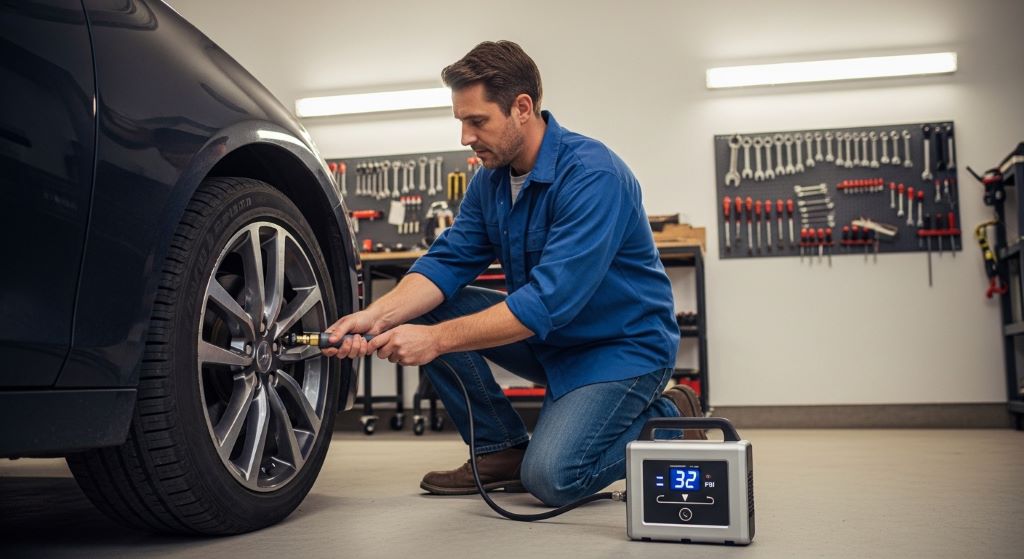
prepare your digital tire pump for operation. Connect it to the appropriate power source and switch it on. Set your desired pressure using the control panel or buttons. Most modern units allow you to preset the target pressure. This feature automatically stops inflation when the correct pressure is reached.
Fourth
attach the inflator nozzle securely to the tire valve. You should hear a clicking sound indicating proper connection. Ensure the connection is tight to prevent air leaks. However, avoid forcing the connection, which could damage the valve. A proper seal is firm but not overly tight.
Fifth
start the inflation process by pressing the power button. Monitor the pressure gauge as air flows into the tire. The process typically takes between two and five minutes depending on how underinflated the tire is. Additionally, listen for unusual sounds that might indicate problems. Normal operation produces a steady humming or vibrating sound.
Sixth
stop inflation when you reach the target pressure. Many units stop automatically at the preset level. For manual operation, watch the gauge carefully and switch off promptly. Slightly overfilling is better than underfilling, as you can release excess air easily. However, significant over-inflation can damage tires and reduce traction.
Seventh
remove the inflator nozzle carefully. Press the release mechanism and pull straight away from the valve. Some air may escape during disconnection, which is normal. Immediately check the pressure again with your gauge. Add or release air as needed to achieve the exact specification.
Eighth
replace the valve cap securely. This small component prevents dirt entry and maintains pressure. Missing valve caps allow slow leaks that gradually reduce tire pressure. Therefore, keep spare caps in your vehicle for replacements when needed.
Finally, repeat this process for all tires including your spare. Many drivers forget to check spare tire pressure until they need it. A flat spare tire is useless during emergencies. Moreover, maintaining your spare extends its lifespan and ensures readiness.
Troubleshooting Common Issues
Even with proper technique, you may encounter occasional problems. Understanding common issues and their solutions keeps you prepared. These troubleshooting tips address the most frequent challenges users face.
Air leaking from the connection point frustrates many users. This usually indicates improper nozzle attachment. Remove the nozzle completely and reattach more carefully. Ensure it sits straight on the valve stem without angles. Additionally, check that the valve stem itself isn’t damaged or bent. Replacing a faulty valve stem is inexpensive and solves chronic leaking problems.
Slow inflation speed often results from insufficient power supply. Twelve-volt units perform poorly if your vehicle battery is weak. Start your engine to provide adequate power for faster operation. Furthermore, extremely cold weather slows inflation rates significantly. Allow extra time in winter conditions or bring equipment indoors to warm before use.
Inaccurate pressure readings compromise your maintenance efforts. If measurements seem inconsistent, test your gauge against a known accurate reference. Tire shops will usually check your gauge for free. Calibration drift occurs naturally over time with frequent use. Replace gauges that show significant inaccuracy rather than trusting questionable readings.
The auto air compressor overheating during use indicates excessive runtime. Most portable units require cooling breaks after ten to fifteen minutes of continuous operation. Allow the motor to cool completely before resuming. Moreover, ensure air vents remain unobstructed during operation. Blocked vents trap heat and trigger thermal shutoffs.
Equipment failing to power on suggests electrical issues. Check all connections for tightness and cleanliness. Corroded contacts prevent proper current flow. Clean terminals with a wire brush if necessary. Additionally, verify that circuit breakers or fuses haven’t tripped. Many units include built-in circuit protection that resets after cooling.
Maintaining Your Inflation Equipment
Regular maintenance extends equipment life and ensures reliable performance. These simple care practices prevent problems and protect your investment. Incorporate these habits into your routine for best results.
Store your equipment in a cool, dry location away from direct sunlight. Extreme temperatures degrade plastic components and electrical systems. Additionally, moisture promotes corrosion and mold growth. A garage shelf or trunk organizer provides ideal storage conditions. However, avoid placing heavy objects on top that might damage the unit.
Clean your equipment after each use to remove dirt and debris. Wipe down the exterior with a damp cloth. Pay special attention to air vents where dust accumulates. Furthermore, inspect the hose for any damage or wear. Early detection of problems allows simple repairs before they become serious.
Lubricate moving parts according to manufacturer recommendations. Some models require periodic oiling of specific components. Others are sealed units requiring no lubrication. Consult your instruction manual for specific guidance. Proper lubrication reduces wear and ensures smooth operation.
Test your equipment monthly even when not actively needed. Brief operation prevents seals from drying out and keeps internal parts lubricated. Additionally, regular testing identifies developing problems before emergencies arise. A few minutes of preventive checking provides peace of mind.
Replace worn accessories promptly to maintain performance. Hoses, nozzles, and connectors experience regular wear from use. Keep spare parts available for quick replacement. Moreover, consider upgrading to higher-quality accessories if originals prove inadequate. Better components improve overall system performance.
Maximizing Efficiency and Battery Life
Efficient operation conserves energy and extends equipment lifespan. Understanding how to optimize performance benefits both battery-powered and electric models. These strategies help you get maximum value from every use.
Inflate tires in sequence from lowest to highest pressure. This approach minimizes total runtime and reduces heat buildup. Additionally, it allows the motor to work progressively rather than starting with the hardest job. Strategic sequencing improves overall efficiency significantly.
Avoid running the motor continuously for extended periods. Even when inflating multiple tires, allow brief cooling breaks between them. These pauses prevent overheating and extend motor life. Furthermore, they give you time to check each tire’s final pressure carefully.
Keep your equipment clean and well-maintained. Dirt in the motor or air passages reduces efficiency dramatically. Clean equipment works easier and faster than neglected units. Therefore, regular cleaning saves both time and energy during operation.
Charge battery units fully before storage. Partial charges degrade battery capacity over time. Additionally, recharge after each use regardless of depletion level. Modern lithium batteries benefit from frequent charging rather than complete discharge cycles. This practice maximizes battery longevity.
Use the correct nozzle attachment for your valve type. Proper fittings create better seals and reduce air loss. Moreover, they attach and detach more easily, saving time. Keeping multiple nozzle types available ensures you have the right tool for any situation.
Understanding Tire Pressure Fundamentals
Proper tire pressure knowledge helps you maintain optimal vehicle performance. Understanding these basics makes you a more informed driver. This knowledge complements your practical inflation skills.
Tire pressure is measured in pounds per square inch (PSI). This measurement represents the force of air inside the tire. Manufacturers determine optimal PSI through extensive testing. They balance factors including load capacity, handling, comfort, and tire wear. Therefore, recommended pressures provide the best overall performance.
Temperature significantly affects tire pressure. Tires lose approximately one PSI for every ten-degree Fahrenheit drop in temperature. Conversely, they gain pressure as temperatures rise. This explains why pressure varies between summer and winter. Additionally, driving heats tires and temporarily increases pressure. Always measure when tires are cold for accuracy.
Underinflation causes multiple problems beyond poor fuel economy. It increases rolling resistance, making your engine work harder. Additionally, it causes excessive sidewall flexing that generates heat. This heat accelerates tire wear and increases failure risk. Moreover, underinflated tires compromise handling and braking performance.
Over-inflation creates different but equally serious issues. It reduces the tire’s contact patch with the road. This decreases traction and extends braking distances. Furthermore, over-inflated tires ride harshly and transmit more road imperfections to the cabin. They also wear unevenly, concentrating wear in the center of the tread.
Regular pressure checks prevent these problems effectively. Check your tires monthly and before long trips. Additionally, inspect pressure when seasons change significantly. This simple habit maintains optimal performance year-round. Furthermore, it helps you detect slow leaks early before they cause problems.
Advanced Features and Technologies
Modern inflation equipment includes sophisticated features that simplify operation. Understanding these technologies helps you choose and use equipment effectively. These innovations represent significant advances over earlier models.
Automatic shutoff prevents over-inflation reliably. You set your desired pressure and the unit stops precisely when reached. This eliminates constant monitoring during inflation. Additionally, it ensures consistent results every time. Automatic shutoff is particularly valuable when inflating multiple tires to the same pressure.
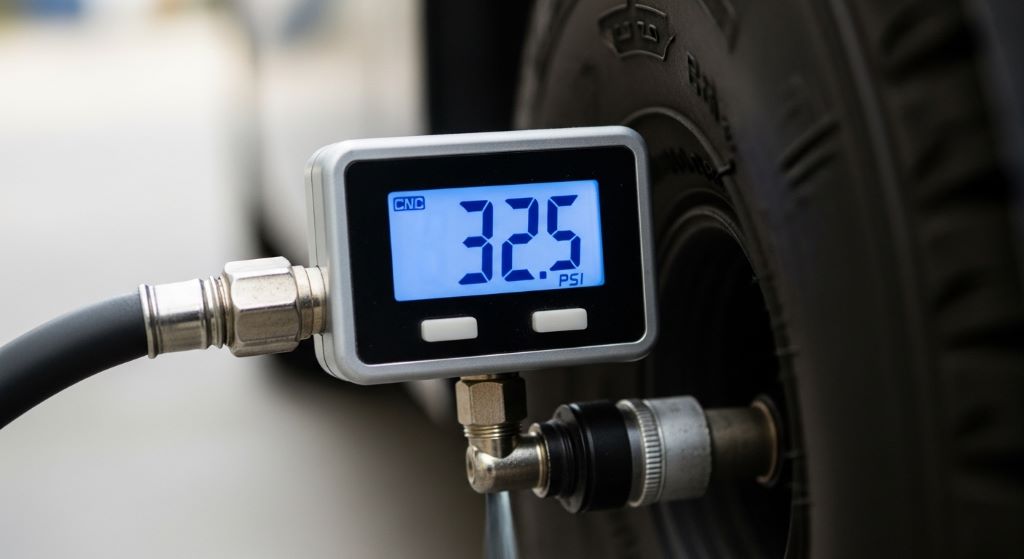
LED displays provide clear, easy-to-read pressure information. Bright screens remain visible in various lighting conditions. Many displays show current pressure, target pressure, and progress simultaneously. Furthermore, some units illuminate your work area for nighttime use. These features enhance convenience significantly.
Multiple pressure unit options accommodate international travelers. Units that display PSI, BAR, and KPA serve diverse needs. Switching between units is usually simple through button presses. Moreover, this versatility helps when servicing different types of vehicles or equipment.
Built-in flashlights extend usability to nighttime emergencies. Bright LED lights illuminate valve stems and work areas. Some models include separate spotlight and area lighting modes. Additionally, flashlight operation is typically independent of inflation functions. This allows you to inspect tires before inflating.
Preset memory functions store your vehicle’s tire pressures. You can recall these settings instantly without reference materials. This feature is especially helpful when maintaining multiple vehicles. Furthermore, it reduces setup time and prevents input errors.
Emergency Roadside Situations
Knowing how to handle tire emergencies confidently keeps you safe. Quick, proper response to tire problems prevents minor issues from becoming major ones. These guidelines prepare you for common roadside scenarios.
Always move to a safe location before attempting roadside repairs. Pull completely off the roadway onto a stable, level surface. Activate hazard lights to alert other drivers. Additionally, set out warning triangles if available. Never work on tires in traffic lanes regardless of urgency.
Assess the situation carefully before inflating a flat tire. Determine whether the tire lost pressure gradually or suddenly. Look for obvious damage like punctures or sidewall tears. Moreover, check if the tire has separated from the rim. Severe damage requires professional repair rather than simple inflation.
Partially inflate damaged tires only enough to reach help safely. Never inflate a damaged tire to full pressure. The goal is mobility to reach a repair facility, not permanent repair. Additionally, drive slowly and carefully on compromised tires. Excessive speed on damaged tires risks complete failure.
Keep your inflation equipment easily accessible in your vehicle. Store it where you can reach it quickly during emergencies. Additionally, ensure all family members know its location and basic operation. This preparation proves invaluable during stressful roadside situations.
Practice using your equipment before emergencies occur. Familiarize yourself with all functions in your driveway. This builds confidence and identifies any equipment issues. Furthermore, practice makes the process quick and automatic when stress levels are high.
Conclusion
Mastering tire inflation equipment use is an essential skill for every driver. Proper technique ensures your safety, improves vehicle performance, and extends tire life. The process becomes quick and routine with practice and understanding.
Remember that safety always comes first when working with tires. Park on level ground, inspect for damage, and never exceed recommended pressures. Additionally, maintain your equipment properly to ensure reliable performance when needed. Regular testing and cleaning prevent most problems before they occur.
Understanding tire pressure fundamentals helps you make informed decisions. Temperature affects pressure, and regular checking prevents both under and over-inflation problems. Moreover, knowing your vehicle’s specifications ensures optimal performance and safety.
Modern features like automatic shutoff and digital displays simplify the inflation process significantly. These technologies make tire maintenance accessible to everyone regardless of mechanical experience. Furthermore, they deliver consistent, accurate results that protect your investment.
Keep your inflation equipment maintained, accessible, and ready for both routine maintenance and emergencies. This preparation gives you independence from unreliable public air pumps. Whether maintaining optimal pressure at home or handling roadside situations, you now have the knowledge to inflate tires quickly and safely.
Frequently Asked Questions
How often should I check my tire pressure?
Check your tire pressure at least once monthly and before long trips. Additionally, check when seasons change or temperatures fluctuate significantly. Tires naturally lose one to two PSI per month through normal permeation. Regular checking catches slow leaks early and maintains optimal performance. Always check when tires are cold for accurate readings, preferably in the morning before driving.
Can I use a car tire inflator for bicycle or sports equipment?
Yes, most tire inflators work well for bicycles, sports balls, and inflatable toys. However, use appropriate nozzle attachments for different valve types. Bicycles often require higher pressures than car tires, so verify your unit’s maximum capacity. Additionally, reduce pressure settings significantly for sports equipment to avoid over-inflation. Many units include accessory kits specifically for these applications.
What causes my inflator to shut off before reaching target pressure?
Automatic shutoff triggered by overheating is the most common cause. Portable units require cooling breaks after extended operation. Allow the motor to cool for fifteen to twenty minutes before resuming. Additionally, weak power sources can cause shutdowns. Ensure strong electrical connections and consider starting your engine when using twelve-volt units. Some models have thermal protection that resets automatically after cooling.
Is it safe to drive immediately after inflating a tire?
Yes, you can drive immediately after proper inflation to correct pressure. However, start gently and listen for unusual sounds that might indicate problems. If you inflated a significantly low tire, drive carefully for the first few miles while the tire normalizes. Additionally, recheck pressure after driving a short distance to ensure it remains stable. Any rapid pressure loss indicates a leak requiring professional attention.
How do I know if my tire pressure gauge is accurate?
Compare your gauge against a recently calibrated professional gauge at a tire shop. Most shops will check your gauge for free as a courtesy. Differences of one to two PSI are acceptable. However, larger discrepancies indicate your gauge needs replacement. Additionally, test your gauge periodically, especially after dropping it or exposing it to extreme temperatures. Accuracy is critical for proper tire maintenance.
Related Topics:
Can Put Gas in a Running Car? Safety, Myths, and Best Practices
How to Rotate Car Tires: A Step-by-Step Guide to Extend Tire Life