
Your car’s heating and cooling system keeps you comfortable during every drive. However, when something goes wrong with the blend door actuator, you might experience inconsistent temperatures or strange clicking noises. Learning to diagnose this common problem can save you time and money at the repair shop.
Understanding the Blend Door Actuator
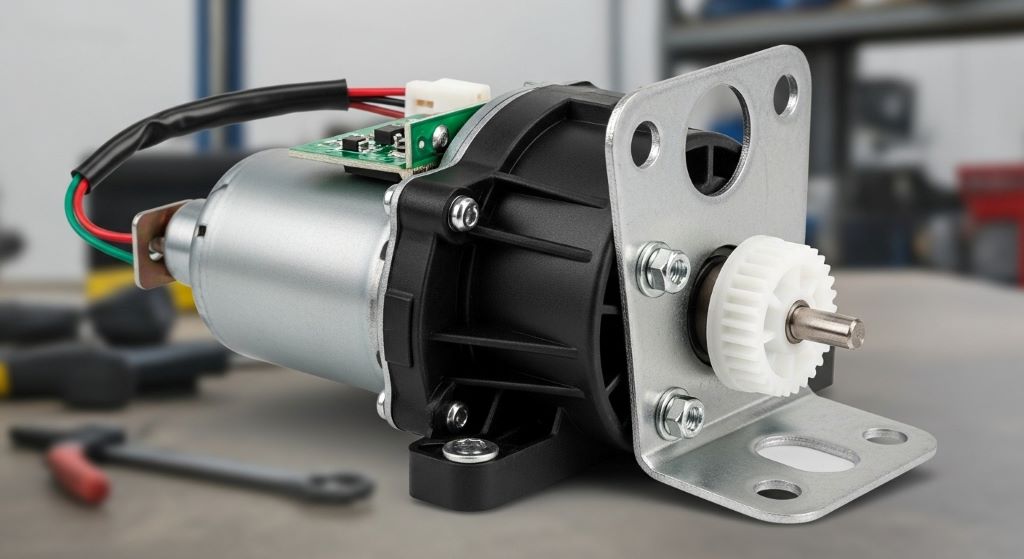
The blend door actuator serves as a small electric motor in your vehicle’s HVAC system. This component controls the blend door, which regulates the mix of hot and cold air flowing into your cabin. When you adjust your temperature settings, the actuator moves the blend door to the appropriate position. This action allows the right amount of heated or cooled air to enter your vehicle’s interior.
Most modern vehicles contain multiple actuators. These units control different zones and airflow directions. Therefore, identifying which actuator has failed becomes an important first step in the diagnostic process.
Common Symptoms of Actuator Failure
Recognizing the signs of a failing blend door actuator helps you address the problem quickly. Several telltale symptoms indicate potential actuator issues.
First, you might notice inconsistent cabin temperatures. The air coming from your vents may feel too hot or too cold, regardless of your temperature setting. Additionally, you might experience different temperatures from different vents simultaneously.
Second, strange noises often accompany actuator problems. A clicking, ticking, or grinding sound behind your dashboard typically signals a failing actuator. These sounds usually occur when you start your vehicle or adjust the climate controls.
Third, the temperature adjustment may become unresponsive. Your climate control settings might not produce any change in air temperature. Alternatively, the temperature might change unexpectedly without your input.
Initial Visual and Audio Inspection
Starting with a basic inspection helps narrow down the problem. Begin by turning on your vehicle and setting the climate control to various temperatures. Listen carefully for any unusual sounds coming from behind the dashboard.
Pay attention to when these sounds occur. Clicking noises that happen during temperature adjustments strongly suggest actuator problems. However, sounds that occur constantly might indicate a stuck or binding blend door.
Next, test each temperature setting systematically. Move the temperature control from the coldest to the hottest setting gradually. Note any positions where the sound changes or stops. This information helps pinpoint the specific actuator causing trouble.
Testing Temperature Output
A thorough temperature test reveals important diagnostic information. Start by letting your engine reach normal operating temperature. This step ensures your cooling system and heater core function properly.
Turn your climate control to the maximum heat setting. Feel the air coming from each vent. The air should be consistently hot across all vents in the affected zone. Then, switch to the coldest setting with the air conditioning on. Again, check each vent for consistent cold air output.
If you notice significant temperature variations between vents, this suggests an actuator problem. According to automotive experts at Popular Mechanics, a properly functioning HVAC system should maintain consistent temperatures across all vents in the same zone.
Using Your Vehicle’s Diagnostic System
Many modern vehicles include built-in diagnostic capabilities for the HVAC system. Accessing these diagnostics provides valuable information about actuator performance.
Check your owner’s manual for instructions on accessing the HVAC diagnostic mode. Some vehicles allow you to enter this mode through specific button combinations on the climate control panel. Others require a professional scan tool.
Once in diagnostic mode, the system typically performs an actuator calibration. Watch and listen as each actuator moves through its full range of motion. A failing actuator may move slowly, make noise, or fail to complete its cycle.
Manual Actuator Testing
For a more hands-on approach, you can manually test the actuators. This method requires locating the actuator units, which typically sit behind the dashboard. However, accessing them often involves removing panels or other components.
Before starting, consult your vehicle’s service manual for actuator locations. Different makes and models place actuators in various positions. Some are easily accessible, while others require significant disassembly.
Once located, observe the actuator while a helper adjusts the temperature controls. A working actuator should move smoothly and quietly. Conversely, a failed unit might not move at all, move erratically, or produce grinding noises.
Electrical Testing Methods
Testing the electrical circuit helps confirm actuator failure. You will need a multimeter for this procedure. Additionally, having a wiring diagram for your specific vehicle makes the process much easier.
Start by disconnecting the actuator’s electrical connector. Set your multimeter to measure voltage. Turn on the ignition and adjust the temperature control. You should see voltage changes at the connector as you move the temperature setting.
If voltage is present but the actuator does not work, the actuator itself has likely failed. However, if no voltage appears, the problem may lie in the wiring or control module. Therefore, further electrical diagnosis becomes necessary.
Checking for Error Codes
Modern vehicles store diagnostic trouble codes when HVAC components malfunction. These codes help identify specific problems within the climate control system. Retrieving these codes requires an OBD-II scanner.
Connect the scanner to your vehicle’s diagnostic port. Navigate to the climate control or body control module. Read any stored codes related to the HVAC system. Common codes for actuator problems include references to circuit malfunctions or calibration failures.
Research any codes you find using reliable automotive resources. The National Highway Traffic Safety Administration database can help you understand whether certain codes relate to known issues with your vehicle model.
Distinguishing Actuator Problems from Other Issues
Several other problems can mimic actuator failure symptoms. Consequently, ruling out these possibilities ensures accurate diagnosis.
A stuck blend door can produce similar symptoms to actuator failure. However, a stuck door typically causes complete loss of temperature control in one direction. An actuator problem usually allows some temperature adjustment, even if inconsistent.
Low coolant levels affect heating performance. Check your coolant level before concluding you have an actuator problem. Similarly, a clogged cabin air filter restricts airflow and can cause temperature issues.
Refrigerant leaks impact air conditioning performance. If only your cooling function seems problematic, have your AC system checked before replacing actuators.
Cost Considerations and Next Steps
Understanding repair costs helps you make informed decisions. Blend door actuators typically cost between fifty and two hundred dollars for the part. Labor costs vary significantly based on actuator location and vehicle complexity.
Some actuators are easily accessible and can be replaced in under an hour. Others require dashboard removal, leading to several hours of labor. Therefore, getting multiple repair estimates makes good financial sense.
For mechanically inclined individuals, DIY replacement is possible. However, you need proper tools and patience. Watch instructional videos specific to your vehicle before attempting this repair yourself.
Conclusion
Diagnosing a failing blend door actuator involves systematic testing and careful observation. Start by identifying symptoms like inconsistent temperatures, unusual noises, or unresponsive controls. Then, progress through visual inspections, temperature tests, and diagnostic procedures. Understanding these diagnostic steps empowers you to communicate effectively with mechanics or attempt repairs yourself. Remember that accurate diagnosis prevents unnecessary part replacement and saves money in the long run.
Frequently Asked Questions
How long does a blend door actuator typically last?
Most blend door actuators last between five and ten years under normal conditions. However, frequent temperature adjustments and extreme climate conditions can shorten their lifespan. Some vehicles experience premature failures due to design flaws or manufacturing defects.
Can I drive my car with a bad blend door actuator?
Yes, you can safely drive with a failed actuator. This problem affects only comfort, not vehicle safety or drivability. However, you may experience uncomfortable cabin temperatures and annoying clicking noises during operation.
How many blend door actuators does my car have?
Most vehicles have between two and four actuators depending on the climate control system. Single-zone systems typically use two actuators, while dual-zone or tri-zone systems may have three or four. Check your owner’s manual for specific information about your vehicle.
Will disconnecting the battery reset a faulty actuator?
Disconnecting the battery may temporarily stop clicking noises by resetting the actuator’s position. However, this does not fix a mechanically failed actuator. The problem will return once the system attempts to move the actuator again.
Can a bad actuator drain my car battery?
A stuck actuator attempting to move continuously can drain your battery over time. If you notice your battery draining and hear constant clicking from the dashboard, disconnect the faulty actuator until you can replace it.
Related Topics:
How to Rotate Car Tires: A Step-by-Step Guide to Extend Tire Life
Why Does My Truck Shake When I Brake? (5 Expert Reasons and Solutions)