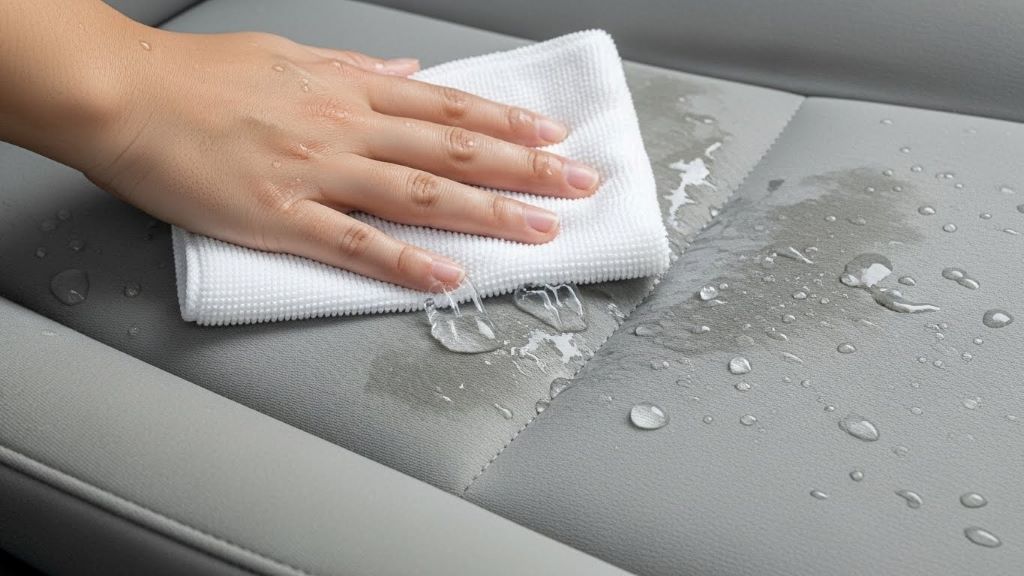
Keeping your car’s interior clean can feel like a never-ending battle. Food spills, muddy footprints, and everyday grime quickly accumulate on cloth seats. However, there’s a simple yet effective method that can restore your seats to their former glory. The blotting pressure technique offers a gentle approach that removes stains without damaging delicate fabric fibers.
This method works by lifting dirt and moisture from deep within the seat material. Unlike scrubbing, which can spread stains and wear down fabric, blotting absorbs spills and loosens embedded dirt. Additionally, this technique requires minimal equipment and costs very little to implement.
Understanding the Blotting Pressure Technique
The blotting pressure technique involves applying gentle, downward pressure to transfer stains from your car seats onto an absorbent material. This process works through capillary action, where liquid naturally moves from the seat fabric into a drier material placed on top.
Think of it like using a paper towel to soak up spilled water on a countertop. You press down firmly, and the towel absorbs the liquid. The same principle applies to your car seats. Therefore, you avoid the aggressive rubbing that damages fabric threads and pushes stains deeper into the cushioning.
Professional detailers frequently recommend this method because it preserves fabric integrity. Moreover, it prevents the formation of water rings that often appear after cleaning attempts.
Essential Supplies for Cleaning Cloth Car Seats
Before starting your cleaning project, gather the necessary materials. You will need clean white towels or microfiber cloths for blotting. White materials are preferable because they won’t transfer dye onto your seats.
Next, prepare a cleaning solution. Mix two cups of warm water with one tablespoon of dish soap in a spray bottle. Alternatively, you can use a commercial upholstery cleaner designed for automotive fabrics. According to Consumer Reports, using the right cleaning products prevents fabric damage and ensures effective stain removal.
Additionally, keep a vacuum cleaner with an upholstery attachment nearby. You will also need a soft-bristled brush for loosening stubborn dirt. Finally, have several dry towels ready for the final drying stage.
Preparing Your Car Seats for Cleaning
Preparation sets the foundation for successful cleaning results. Start by removing all loose items from your vehicle, including floor mats, trash, and personal belongings. This creates an unobstructed workspace.
Next, vacuum the seats thoroughly using the upholstery attachment. Move the nozzle in overlapping strokes to capture dirt, crumbs, and debris. Pay special attention to crevices where the seat back meets the cushion. Furthermore, vacuum the areas between the seat and center console where debris often accumulates.
Once vacuuming is complete, inspect the seats for specific stains or problem areas. Note their location and type, as different stains may require slightly different approaches. However, the blotting technique remains your primary cleaning method regardless of stain type.
Step-by-Step Blotting Technique Process
Now you’re ready to begin the actual cleaning process. First, lightly spray a small section of the seat with your cleaning solution. Avoid oversaturating the fabric, as excess moisture can lead to mildew growth. Work in sections roughly two feet square to maintain control over the cleaning process.
After spraying, let the solution sit for 30 to 60 seconds. This dwell time allows the cleaner to break down dirt and oils trapped in the fabric. Meanwhile, fold a clean white towel into quarters to create a thick, absorbent pad.
Place the folded towel firmly against the damp section of seat. Press down with steady, even pressure for five to ten seconds. You should feel the towel absorbing moisture from the seat. Lift the towel and examine it. You will likely see dirt and grime transferred onto the towel’s surface.
Refold the towel to expose a clean section, then repeat the blotting process on the same area. Continue until the towel no longer picks up visible dirt. Subsequently, move to the next section of the seat and repeat the entire process.
For stubborn stains, gently agitate the area with a soft-bristled brush before blotting. Use small, circular motions to work the cleaning solution into the fabric. Then proceed with the blotting technique as described above.
Treating Common Stains on Cloth Car Seats
Different types of stains require slight variations in technique. Coffee and soda spills respond well to the standard blotting method described above. However, you should treat these stains as quickly as possible to prevent setting.
Grease and oil stains need a degreasing agent. Sprinkle baking soda on the stain and let it sit for 15 minutes before applying your cleaning solution. The baking soda absorbs oils, making the blotting process more effective. Afterward, proceed with normal blotting using your cleaning solution.
Ink stains present a greater challenge. Dab rubbing alcohol onto a clean cloth and blot the stain gently. Never pour alcohol directly onto the seat. Work from the outside of the stain toward the center to prevent spreading. Additionally, test the alcohol on an inconspicuous area first to ensure it doesn’t discolor your seats.
Pet accidents require enzymatic cleaners that break down organic matter. These specialized products eliminate odors at the molecular level. Apply according to the manufacturer’s directions, then use the blotting technique to remove excess moisture.
Drying Your Car Seats Properly
Proper drying prevents mildew and musty odors from developing in your seats. After completing the blotting process, use dry towels to absorb as much remaining moisture as possible. Press firmly and hold for several seconds on each section.
Next, improve air circulation inside your vehicle. Open all doors and windows if weather permits. Position a fan to blow air across the seats, which accelerates evaporation. Alternatively, park your car in direct sunlight with windows slightly cracked for ventilation.
Avoid using your car until the seats are completely dry. Sitting on damp seats can transfer moisture to your clothing and compress wet fibers. Furthermore, it may undo your cleaning efforts by creating new stains. Most seats dry within four to six hours with adequate airflow.

Maintaining Clean Car Seats Between Deep Cleanings
Regular maintenance extends the time between thorough cleanings. Vacuum your seats weekly to prevent dirt accumulation. This simple habit stops debris from grinding into fabric fibers during normal use.
Address spills immediately when they occur. Keep a small towel and portable stain remover in your car for emergencies. Blot fresh spills right away using the technique you’ve learned. Quick action prevents permanent staining.
Consider using seat covers or protective treatments for high-traffic vehicles. Fabric protector sprays create a barrier that repels liquids and makes future cleaning easier. According to The New York Times, protecting automotive fabrics can significantly extend their lifespan and maintain their appearance.
Troubleshooting Common Cleaning Challenges
Sometimes stains persist despite your best efforts. If a stain remains after several blotting attempts, let the area dry completely before trying again. The stain may become more visible once dry, allowing you to target it more effectively.
Water rings occasionally appear after cleaning. These occur when dissolved dirt migrates to the edges of wet areas. Prevent rings by blotting thoroughly and ensuring even moisture distribution. If rings do appear, lightly mist the entire seat section and blot again to redistribute the dirt evenly.
Strong odors that persist after cleaning usually indicate moisture trapped in the seat padding. Ensure complete drying by using fans and maintaining good ventilation. Sprinkling baking soda on dry seats, letting it sit overnight, and vacuuming it up can also neutralize lingering smells.
Conclusion
The blotting pressure technique offers an effective, gentle method for cleaning cloth car seats. By pressing cleaning solutions and moisture into absorbent towels rather than scrubbing, you protect fabric integrity while removing dirt and stains. This approach requires minimal supplies and works on various stain types when applied correctly.
Remember to work in small sections, avoid oversaturation, and allow adequate drying time. Regular maintenance through vacuuming and immediate spill treatment keeps your seats looking fresh between deep cleanings. Therefore, you can maintain a clean, comfortable vehicle interior without expensive professional detailing services.
With practice, this technique becomes quick and intuitive. Your car’s interior will look better, smell fresher, and provide a more pleasant driving experience for you and your passengers.
Frequently Asked Questions
How often should I deep clean my cloth car seats?
Most vehicles benefit from deep cleaning every three to six months, depending on usage. Families with children or pets may need monthly cleanings, while light-use vehicles can go longer between sessions.
Can I use the blotting technique on leather seats?
No, leather requires different cleaning methods and products specifically formulated for leather care. The blotting technique is designed for cloth and fabric upholstery only.
What should I do if my seats still smell after cleaning?
Persistent odors usually indicate trapped moisture or deep-set stains in the padding. Ensure complete drying, then apply an enzymatic cleaner designed to eliminate odor-causing bacteria. Let it work overnight before blotting again.
Is it safe to use bleach on light-colored car seats?
Never use bleach on automotive upholstery. Bleach damages fabric fibers and can cause discoloration or weakening. Stick with mild detergents or automotive-specific cleaners for best results.
How can I prevent water rings when cleaning my seats?
Prevent water rings by working in small sections and blotting thoroughly to remove all moisture. Avoid oversaturating the fabric, and ensure even distribution of your cleaning solution across each section.
Related Topics:
Protecting Your RV Investment: The Metal Garage Advantage