Car batteries are one of the most important yet often overlooked parts of a vehicle. Many drivers only think about the battery when the car refuses to start. However, with proper care, you can extend battery life and avoid frequent replacements. This not only saves money but also prevents unexpected breakdowns.
In this guide, you will learn simple, practical steps to maintain your car battery and reduce replacement costs over time.
Understanding How a Car Battery Works
A car battery stores electrical energy and provides power to start the engine. It also supports electrical systems such as lights, radio, and air conditioning.
Most vehicles use lead-acid batteries. These batteries rely on chemical reactions to produce electricity. Over time, these reactions weaken. As a result, the battery loses its ability to hold a charge.
However, good maintenance slows this process. Therefore, understanding how your battery works is the first step toward saving money.
Why Car Battery Replacement Can Be Expensive
Replacing a car battery is not always cheap. Prices vary based on brand, size, and technology. Additionally, labor costs may apply if you visit a mechanic.
Here are a few reasons why replacement costs can add up:
- Frequent battery failure due to poor maintenance
- Extreme weather conditions
- Electrical system strain
- Low-quality battery choices
However, with proper care, you can avoid these issues. This leads to fewer replacements and lower long-term costs.
Signs Your Car Battery Needs Attention
Before a battery fails completely, it usually shows warning signs. Recognizing these early can help you take action.
Common signs include:
- Slow engine crank
- Dim headlights
- Dashboard warning light
- Corroded battery terminals
- Frequent need for jump-starts
If you notice these issues, act quickly. Otherwise, the problem may worsen and lead to full battery failure.
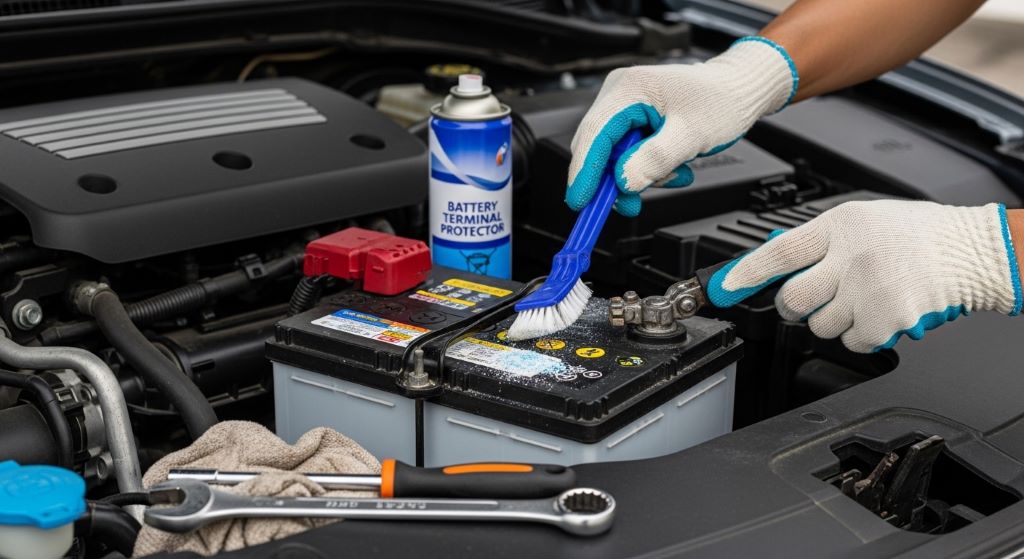
Keep Battery Terminals Clean
Dirty or corroded terminals can block the flow of electricity. This reduces battery efficiency and increases strain.
To clean the terminals:
- Disconnect the battery
- Use a mixture of baking soda and water
- Gently scrub the terminals
- Dry thoroughly before reconnecting
Additionally, apply a thin layer of petroleum jelly to prevent future corrosion.
Regular cleaning improves performance and extends battery life.
Drive Your Car Regularly
Car batteries recharge while the engine is running. If you leave your car unused for long periods, the battery loses charge.
Short trips are also not ideal. They do not give the battery enough time to recharge fully.
Therefore, try to:
- Drive at least once every few days
- Take longer drives when possible
This simple habit helps maintain a healthy charge level.
Avoid Leaving Lights and Electronics On
Leaving headlights or interior lights on drains the battery quickly. Similarly, using electronics when the engine is off can reduce battery life.
To prevent this:
- Turn off all lights before leaving the car
- Avoid charging devices when the engine is off
- Double-check the ignition is fully off
Although this may seem basic, it plays a major role in battery health.
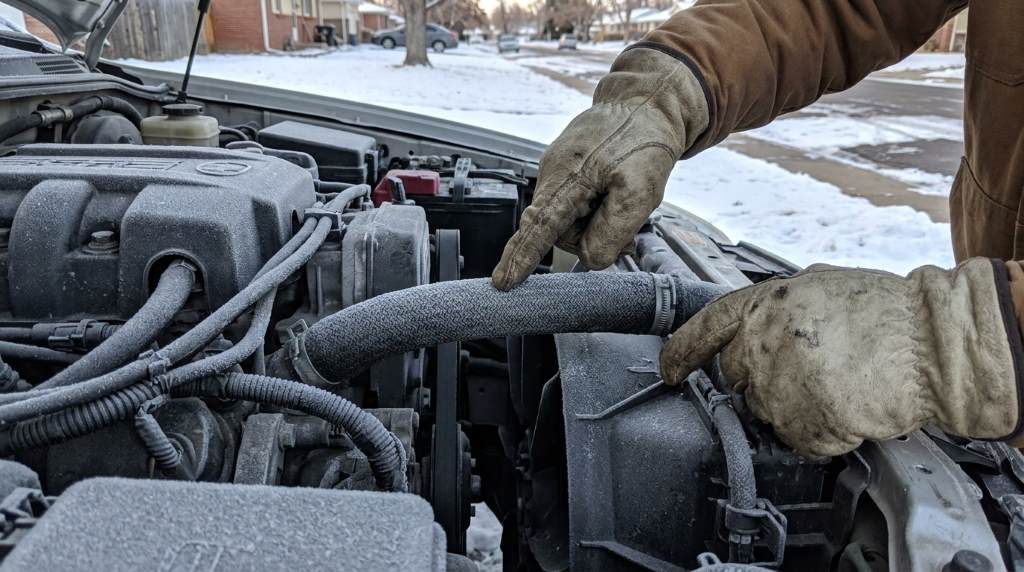
Protect Your Battery from Extreme Weather
Weather has a strong impact on battery performance.
Hot weather can cause fluid evaporation inside the battery. This damages internal components. On the other hand, cold weather slows down chemical reactions. As a result, the battery struggles to produce enough power.
To protect your battery:
- Park in a shaded area during hot days
- Use a battery insulation kit in cold weather
- Avoid long exposure to extreme temperatures
Additionally, regular checks during seasonal changes can prevent sudden failure.
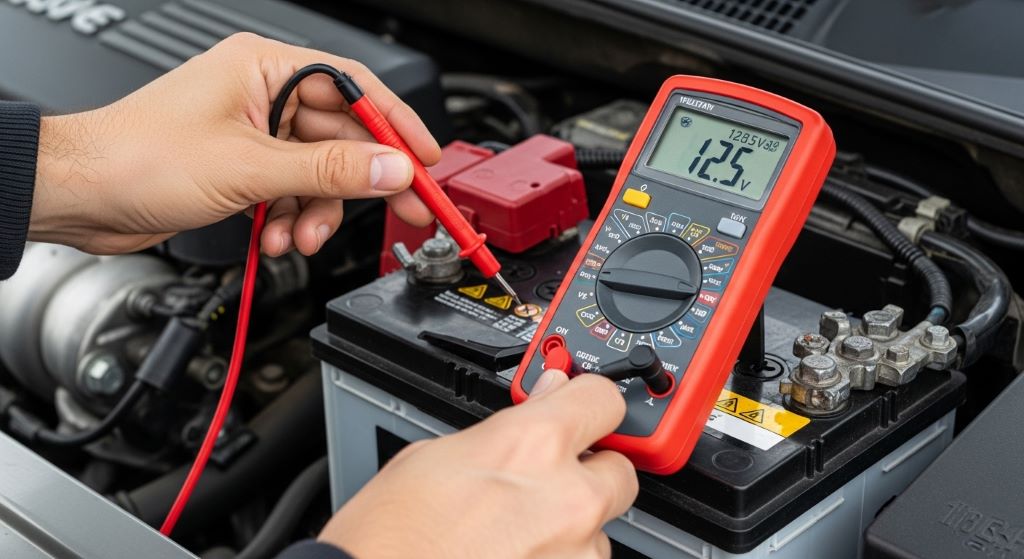
Test Your Battery Voltage Regularly
Battery testing helps you understand its condition. A healthy battery typically shows around 12.6 volts when fully charged.
You can test it using a multimeter or visit a service center.
Benefits of regular testing include:
- Early detection of issues
- Better maintenance planning
- Reduced risk of sudden breakdown
Therefore, testing your battery every few months is a smart practice.
Secure the Battery Properly
A loose battery can vibrate while driving. This vibration damages internal components and shortens battery life.
Make sure:
- The battery is tightly secured in its tray
- All clamps and brackets are in place
Additionally, check for any movement during routine inspections.
A stable battery lasts longer and performs better.
Limit Short Trips
Frequent short trips prevent the battery from fully charging. Over time, this weakens the battery.
Instead:
- Combine errands into one trip
- Drive for at least 15–20 minutes when possible
This allows the alternator to recharge the battery effectively.
Check Battery Fluid Levels
Some batteries require regular fluid checks. Low fluid levels can damage the battery.
If your battery is not sealed:
- Open the caps carefully
- Check fluid levels
- Add distilled water if needed
However, avoid overfilling. Proper levels ensure smooth operation and longer lifespan.
Turn Off Engine Before Disconnecting Accessories
Disconnecting devices while the engine is running can cause voltage spikes. These spikes may damage the battery.
Therefore, always:
- Turn off the engine first
- Then remove accessories
This simple step protects both the battery and the electrical system.
Invest in a Quality Battery Charger
A battery charger is useful if your car is not used often. It helps maintain charge levels and prevents deep discharge.
Types of chargers include:
- Trickle chargers
- Smart chargers
Smart chargers are more efficient. They adjust charging based on battery condition.
Additionally, using a charger reduces the need for jump-starts and extends battery life.
Avoid Overloading the Electrical System
Modern cars have many electronic features. However, adding extra devices can strain the battery.
Examples include:
- High-powered audio systems
- Additional lighting
- Aftermarket accessories
While these features are useful, they increase power demand. Therefore, use them wisely and ensure your battery can handle the load.
Schedule Regular Maintenance Checks
Routine inspections help identify issues early. Mechanics can test battery health and check related components.
During maintenance, they may inspect:
- Alternator performance
- Charging system
- Wiring connections
Additionally, professional checks provide peace of mind and reduce unexpected failures.
Choose the Right Battery for Your Vehicle
Not all batteries are the same. Using the wrong type can lead to poor performance and shorter lifespan.
When selecting a battery:
- Check your vehicle manual
- Choose the correct size and capacity
- Opt for trusted brands
Although a high-quality battery may cost more initially, it lasts longer. Therefore, it reduces replacement frequency and saves money in the long run.
Store Your Vehicle Properly
If you plan to store your car for an extended period, take steps to protect the battery.
Before storage:
- Disconnect the battery
- Store it in a cool, dry place
- Use a maintenance charger if possible
Additionally, check the battery periodically during storage.
Proper storage prevents damage and extends battery life.
Clean the Battery Case
Dirt and grease on the battery case can lead to discharge. Keeping the surface clean helps maintain efficiency.
Simply:
- Wipe the battery with a dry cloth
- Remove any buildup
Additionally, ensure the battery remains dry to avoid leakage issues.
Replace the Battery at the Right Time
Even with good maintenance, batteries do not last forever. Most last between 3 to 5 years.
Replacing the battery before complete failure can prevent inconvenience.
However, do not replace it too early. Instead, monitor its performance and test regularly.
This balanced approach helps you avoid unnecessary expenses.
Benefits of Proper Car Battery Maintenance
Maintaining your car battery offers several advantages:
- Reduced replacement costs
- Improved vehicle performance
- Fewer breakdowns
- Longer battery lifespan
- Better fuel efficiency
Additionally, a well-maintained battery supports other vehicle components.
Common Mistakes to Avoid
Many drivers unknowingly damage their batteries. Avoid these common mistakes:
- Ignoring warning signs
- Skipping regular checks
- Using low-quality batteries
- Leaving electronics on
- Driving only short distances
By avoiding these habits, you can significantly extend battery life.
Conclusion
Proper car battery maintenance is simple but highly effective. By following basic steps such as cleaning terminals, driving regularly, and avoiding electrical overload, you can extend battery life and reduce replacement costs.
Additionally, regular testing and professional inspections help detect issues early. This prevents sudden failures and costly repairs.
In the long run, a well-maintained battery not only saves money but also ensures a smooth and reliable driving experience.
Frequently Asked Questions
How long does a car battery usually last?
Most car batteries last between 3 to 5 years. However, proper maintenance can extend their lifespan.
Can short trips damage my battery?
Yes, frequent short trips prevent the battery from fully charging. Over time, this weakens the battery.
How often should I check my car battery?
You should check your battery every few months. Additionally, test it before long trips or seasonal changes.
What causes battery corrosion?
Corrosion occurs due to chemical reactions and gas release. Cleaning terminals regularly helps prevent it.
Is it worth buying a more expensive battery?
Yes, high-quality batteries last longer and perform better. Therefore, they reduce replacement costs over time.
Related Topics:
Why Is My Car Shaking and Engine Losing Power? (Expert Insights)
How to Stop Your Car Windscreen from Freezing Inside