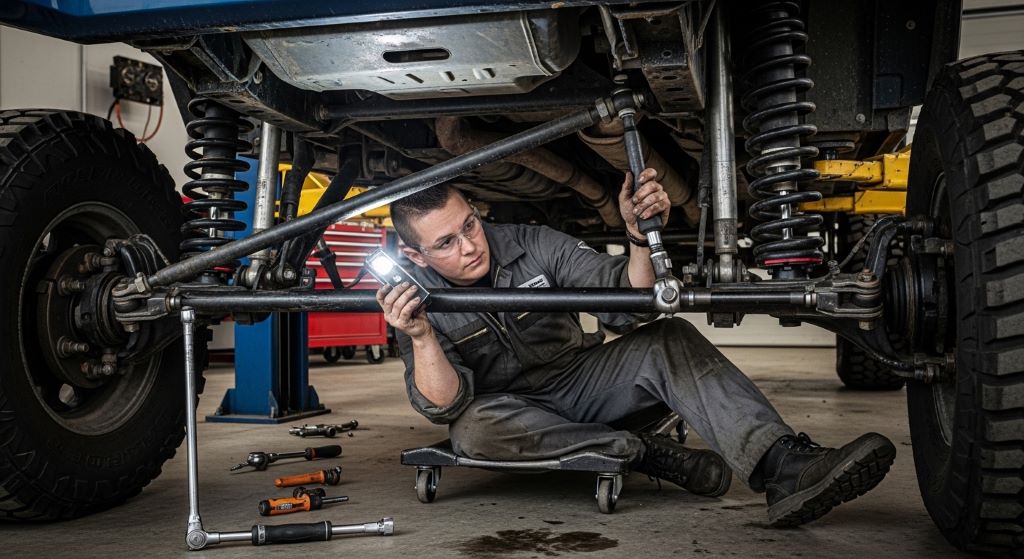
Driving should feel smooth and predictable. However, when your steering wheel starts pulling to one side, vibrating, or giving you inconsistent feedback, something is clearly wrong. Uneven steering feedback is one of the most common complaints among vehicle owners. It is also one of the most misunderstood. Fortunately, most causes are fixable with the right suspension and steering repairs.
This article walks you through the key causes, symptoms, and repair solutions. It also helps you understand when to visit a professional mechanic.
What Is Uneven Steering Feedback?
Uneven steering feedback means your steering does not respond the same way every time. You may feel vibrations through the wheel. The car may drift without input. Sometimes the wheel feels heavy on one side and light on the other.
These sensations are your car communicating a problem. Therefore, it is important not to ignore them. Catching the issue early can save you significant repair costs down the road.
Common Causes of Uneven Steering Feedback
Several components work together to keep your steering smooth. When any one of them fails, you feel the difference immediately.
Worn or Damaged Tie Rods
Tie rods connect your steering rack to the wheel hub. They transfer the movement of the steering wheel directly to the wheels. When a tie rod wears out or gets damaged, your car may pull to one side. You might also hear a clunking noise when turning.
Additionally, worn tie rods make wheel alignment unstable. This causes uneven tire wear and unpredictable steering response.
Faulty Steering Rack
The steering rack translates the rotation of your steering wheel into side-to-side movement. Over time, the rack can develop leaks or wear down internally. A faulty rack often causes a loose or wandering feeling in the wheel. You may also notice fluid leaking under the car near the front axle.
Ball Joints in Poor Condition
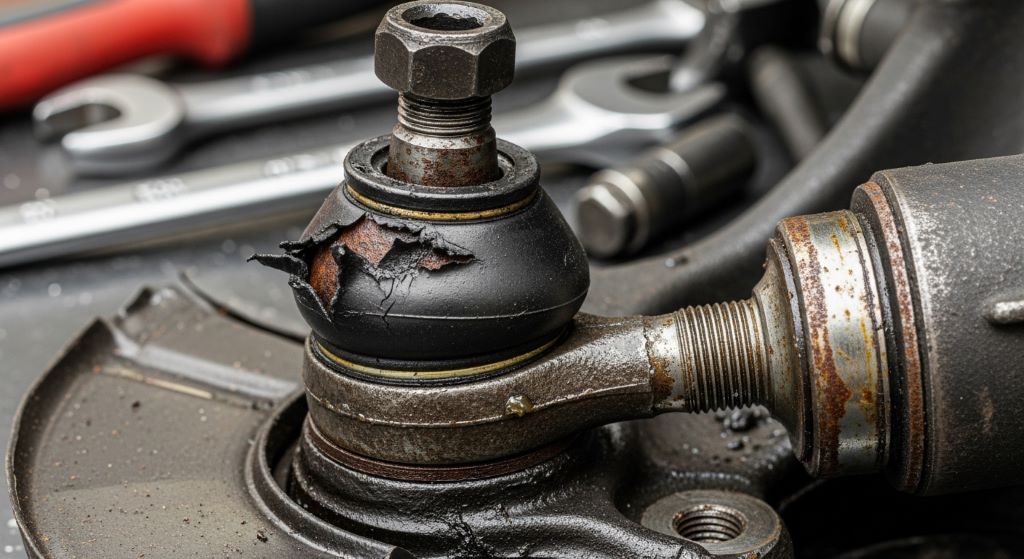
Ball joints allow your wheels to pivot and move with the suspension. When they wear out, they create loose, unpredictable steering. In severe cases, a failed ball joint can cause a wheel to collapse entirely. Therefore, checking ball joints regularly is critical to both safety and performance.
Unbalanced or Misaligned Wheels
Wheel misalignment is one of the most frequent causes of uneven steering. When your wheels are not aligned correctly, they pull against each other. This creates resistance and an uneven feel in the steering wheel.
Wheel imbalance, on the other hand, causes vibrations. These vibrations are usually felt at specific speeds, often between 60 and 80 mph. Both problems are easy to diagnose and fix with professional equipment.
Worn Shock Absorbers and Struts
Shock absorbers and struts control how your vehicle responds to bumps and road irregularities. When they wear out, the car bounces excessively. This bounce transfers through the suspension into the steering system. As a result, your steering wheel can feel loose and unresponsive, especially on uneven roads.
Power Steering Issues
Modern vehicles rely on either hydraulic or electric power steering to reduce effort. When the power steering pump fails or the fluid runs low, steering becomes difficult or inconsistent. One side may feel heavier than the other. This is a clear sign that the power steering system needs attention.
How to Diagnose the Problem
Before spending money on repairs, proper diagnosis is essential. Here are a few steps to help identify the issue.
Start by paying attention to when the problem occurs. Does it happen at low speeds or high speeds? Does it worsen when turning or braking? These clues help narrow down the cause.
Next, inspect the tires. Uneven tread wear often points to alignment or suspension problems. Bald patches on the inside or outside of the tire suggest misalignment.
After that, have a mechanic perform a visual inspection of the steering and suspension components. A good technician will check the tie rods, ball joints, struts, and steering rack for play or damage.
Finally, use a wheel alignment machine to measure the exact angles of each wheel. This test is inexpensive and provides clear data about any alignment issues.
Suspension and Steering Repair Solutions
Once the problem is identified, repairs can begin. Here is a breakdown of the most common fixes.
Tie Rod Replacement
Replacing worn tie rods is straightforward. A mechanic will remove the old rod, install a new one, and then perform a wheel alignment to restore proper steering geometry. This repair typically takes a few hours and is affordable at most garages.
Steering Rack Repair or Replacement
If the steering rack is leaking or worn, it may need to be rebuilt or replaced. A rebuilt rack is usually less expensive. However, a full replacement offers longer-lasting results. After installation, an alignment check is always necessary.
Ball Joint Replacement
Ball joints are press-fit into the suspension arm. Replacing them requires specialized tools. After replacement, a wheel alignment must be done. Ignoring this step can cause premature tire wear and continued steering problems.
Wheel Alignment and Balancing
Wheel alignment adjusts the angles of the wheels to the manufacturer’s specifications. It is one of the most impactful and affordable repairs for uneven steering. Wheel balancing adds small weights to the rim to correct imbalances that cause vibrations.
Both services should be done together for best results. They are typically recommended every 12,000 miles or whenever new tires are installed.
Shock Absorber and Strut Replacement
Replacing shocks and struts improves ride quality significantly. It also restores proper weight distribution across the suspension. This repair has a direct effect on steering precision and overall vehicle stability.
Power Steering Service
For hydraulic systems, flushing and replacing the power steering fluid can resolve inconsistency. If the pump is faulty, it will need replacement. Electric systems may require a software reset or sensor replacement, depending on the vehicle model.
Preventive Maintenance Tips
Preventing steering problems is easier than fixing them. Here are a few habits that extend the life of your steering and suspension components.
- Rotate your tires every 5,000 to 7,500 miles to ensure even wear.
- Check wheel alignment at least once a year or after any significant impact.
- Inspect suspension components during every oil change.
- Avoid potholes and road hazards whenever possible.
- Check power steering fluid regularly and top it up as needed.
These small steps can prevent major repairs. Additionally, they keep your vehicle safe and enjoyable to drive.
When to See a Professional
Some steering issues can be monitored briefly. Others require immediate attention. If you notice any of the following, visit a mechanic right away.
The steering wheel shakes violently at any speed. The car pulls strongly to one side even on a straight road. You hear grinding or clunking noises when turning. The vehicle feels unstable or difficult to control. Fluid is leaking from the front of the car.
Driving with a compromised steering system is dangerous. Therefore, do not delay professional inspection when these signs appear.
Conclusion
Uneven steering feedback is rarely a single-cause problem. It usually involves one or more failing suspension and steering components. Tie rods, ball joints, the steering rack, shocks, struts, and wheel alignment all play a role in how your vehicle handles.
The good news is that these issues are diagnosable and fixable. Regular maintenance goes a long way in preventing them. However, when problems do arise, early repair is always the smarter and safer choice.
By understanding the causes and solutions covered in this article, you are better equipped to communicate with your mechanic and make informed decisions about your vehicle’s care.
Frequently Asked Questions
- What are the most common signs of a bad tie rod? The most common signs include the steering wheel pulling to one side, uneven tire wear, and a clunking or squeaking noise when turning. A loose or wandering steering feel is also a strong indicator.
- How often should I get a wheel alignment? Most manufacturers recommend a wheel alignment every 12,000 miles or once a year. You should also get one after hitting a large pothole, installing new tires, or replacing steering and suspension parts.
- Can I drive with a worn ball joint? It is not safe to drive with a severely worn ball joint. A failed ball joint can cause sudden loss of steering control. If you suspect a bad ball joint, have it inspected immediately.
- What causes steering wheel vibration at highway speeds? Vibration at highway speeds is most often caused by unbalanced wheels. It can also result from worn shocks or struts, misaligned wheels, or damaged tires.
- How do I know if my power steering pump is failing? Signs of a failing power steering pump include a whining or groaning noise when turning, stiff or heavy steering at low speeds, and fluid leaks under the front of the vehicle.
Related Topics:
How to Replace Car Brake Pads: The Ultimate DIY Guide for Every Driver