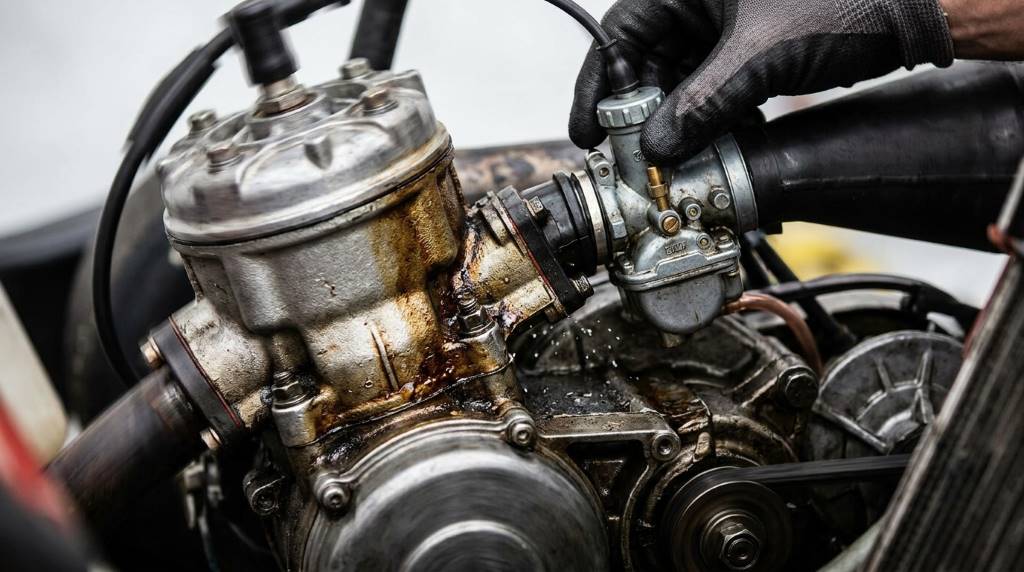
Race kart performance depends on careful maintenance, smart tuning, and consistent inspections before every session. Studies suggest that over 70% of small engine performance issues begin with neglected fuel or ignition systems. Likewise, experienced mechanics often solve rough running through simple maintenance instead of expensive replacements. Regular 2 stroke carburetor cleaning supports smoother acceleration while preventing unnecessary engine strain during competitive driving.
Understanding Why Race Karts Run Rough
A rough running kart rarely develops problems without warning because several systems gradually lose efficiency together. Drivers usually notice hesitation, inconsistent throttle response, vibration, or sudden power loss before complete failure appears.
Engine performance also depends on balanced mechanical components working together under demanding conditions. For example, proper chassis alignment complements engine tuning much like adjust headlights left and right improves overall vehicle control through accurate setup.
Many owners replace expensive parts immediately despite overlooking simple maintenance items first. Instead, systematic diagnosis saves money while restoring reliable performance much faster.
Common Symptoms
- Slow acceleration after corner exits
- Engine sputtering under throttle
- Frequent engine stalling
- Uneven idle speed
- Excessive vibration
- Reduced top speed
Fuel System Problems That Hurt Performance
Fuel delivery issues remain one of the most frequent causes of rough kart operation. Dirt, stale gasoline, clogged filters, and damaged fuel lines reduce consistent engine combustion significantly.
Carburetors require precise fuel metering because even minor contamination affects air and fuel balance. Therefore, regular inspections prevent debris from creating lean or rich operating conditions.
Fuel quality deserves equal attention throughout every racing season because ethanol blends absorb moisture over time. Likewise, preventive maintenance reduces future expenses similarly to strategies discussed in reduce car battery replacement costs for long term reliability.
Fuel System Inspection Checklist
- Drain old fuel completely.
- Replace dirty fuel filters.
- Inspect fuel lines carefully.
- Clean carburetor passages thoroughly.
- Verify proper float operation.
- Confirm unrestricted fuel flow.
Ignition Problems That Cause Misfires
Strong ignition creates complete combustion during every engine cycle for smooth power delivery. However, worn ignition components interrupt spark consistency under heavy acceleration.
Spark plugs should display a healthy light brown color after proper engine operation. Meanwhile, black deposits often indicate rich mixtures while white electrodes suggest lean conditions.
Electrical connections deserve equal attention because vibration gradually loosens terminals during repeated racing sessions. Stable steering also improves confidence, much like addressing uneven steering feedback supports predictable vehicle behavior.
Ignition Components to Inspect
- Spark plug condition
- Plug gap measurement
- Ignition coil output
- Kill switch wiring
- Ground connections
- Flywheel key alignment
Airflow Restrictions Reduce Engine Power
Engines require clean airflow to maintain efficient combustion under varying throttle positions. Dirty filters restrict incoming air while upsetting carefully balanced fuel mixtures.
Air leaks also create unpredictable idle behavior because unmetered oxygen enters the intake system unexpectedly. Consequently, gasket inspections should become part of every maintenance routine.
Drivers sometimes ignore intake boots despite constant exposure to vibration and engine heat. Small cracks gradually expand before creating noticeable performance problems during demanding laps.
Mechanical Wear Inside the Engine
Internal engine wear eventually reduces compression despite careful maintenance practices throughout the season. Lower compression weakens combustion while reducing acceleration and throttle responsiveness.
Piston rings naturally wear after extensive operation because continuous friction removes material slowly. Therefore, scheduled compression testing identifies developing issues before complete mechanical failure occurs.
Cylinder scoring also reduces sealing efficiency and increases oil consumption significantly over time. Early diagnosis protects expensive components while extending overall engine lifespan.
Clutch and Drivetrain Issues
Engine performance cannot reach the track effectively when drivetrain components operate inefficiently. Worn clutch shoes frequently create sluggish launches despite healthy engine output.
Chain alignment deserves careful inspection because excessive friction wastes available horsepower continuously. Furthermore, correct lubrication reduces wear while improving drivetrain efficiency consistently.
Sprocket teeth should maintain uniform shapes without sharp edges or visible damage. Replacing worn drivetrain parts restores smoother acceleration immediately after installation.
Tire, Chassis, and Setup Factors
Many rough driving complaints actually originate outside the engine compartment during competitive karting. Incorrect tire pressure changes handling while increasing rolling resistance noticeably.
Loose chassis hardware introduces unwanted vibration that drivers often mistake for engine problems. Therefore, tightening critical fasteners supports smoother operation throughout every race day.
Proper weight distribution also improves traction because balanced loading maximizes tire contact with racing surfaces. Small setup improvements frequently deliver measurable lap time gains.
A Practical Diagnostic Routine
Professional mechanics follow structured inspections because random part replacement rarely solves complex performance issues. A logical sequence eliminates unnecessary repairs while reducing downtime.
Begin with fuel quality before checking spark strength and airflow restrictions carefully. Next, verify compression levels before inspecting clutch operation and drivetrain alignment thoroughly.
Finally, perform controlled test runs after every repair instead of changing multiple components simultaneously. This disciplined approach identifies successful repairs with greater confidence.
Original Performance Index for Race Kart Health
The following maintenance score offers a practical method for evaluating overall kart condition before every event. This original framework helps drivers identify weak systems before serious failures develop.
| System | Healthy Score | Action Needed |
|---|---|---|
| Fuel System | 9 to 10 | Clean and inspect yearly |
| Ignition | 9 to 10 | Replace worn components |
| Air Intake | 8 to 10 | Clean filter regularly |
| Compression | 9 to 10 | Test periodically |
| Drivetrain | 8 to 10 | Lubricate and align |
| Chassis | 9 to 10 | Inspect after every event |
Preventive Maintenance Schedule
Preventive maintenance costs far less than emergency engine rebuilding after avoidable failures occur. Consistent inspections improve reliability while increasing driver confidence during every session.
- Inspect fuel before every outing.
- Clean air filters weekly.
- Check spark plugs regularly.
- Lubricate chains after every event.
- Measure compression monthly.
- Torque chassis bolts frequently.
Conclusion
Charlotte race karts perform best when every mechanical system receives consistent attention and timely maintenance. Careful diagnosis prevents wasted spending while improving reliability, safety, and track performance together. Start with the simple inspections today, follow a structured maintenance routine, and keep your kart running smoothly for every competitive lap.
FAQs
Why does my race kart hesitate during acceleration?
Fuel delivery, ignition issues, or restricted airflow commonly cause hesitation.
How often should I clean my carburetor?
Clean the carburetor whenever performance declines or after extended fuel storage.
Can old fuel make a race kart run rough?
Yes, stale fuel reduces combustion quality and creates inconsistent engine performance.
Should I replace the spark plug every season?
Replacing the spark plug regularly helps maintain reliable ignition performance.
What is the fastest way to diagnose rough running?
Inspect fuel, spark, air, compression, and drivetrain systems in that exact order.