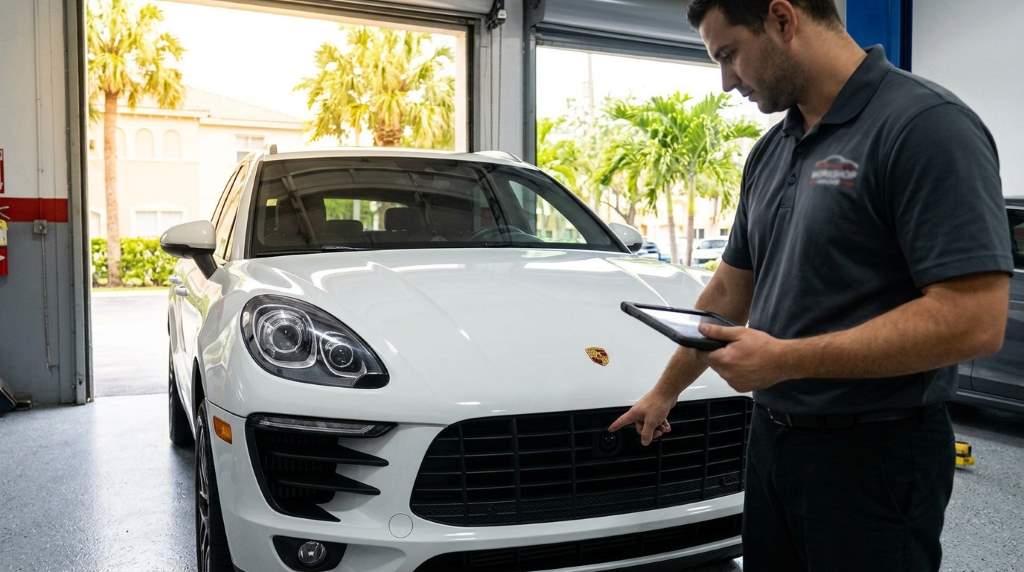
Modern vehicles rely on advanced driver assistance systems for safer daily driving. Front bumper cameras support several safety features through precise visual data. According to the National Highway Traffic Safety Administration, advanced safety technologies help reduce many preventable crashes. Likewise, industry reports estimate that millions of vehicles now include front facing camera systems. Therefore, proper camera alignment matters after repairs or impacts. If related systems also require lane keeping assist camera recalibration, completing both procedures protects overall system accuracy.
Why Front Bumper Camera Alignment Matters
Front bumper cameras constantly monitor the road while supporting intelligent safety functions. Even slight movement changes viewing angles and reduces detection accuracy. Therefore, technicians always verify alignment after bumper replacement or collision repairs.
Vehicle manufacturers design these cameras with strict calibration specifications for reliable operation. Likewise, uneven suspension or steering conditions may influence system performance over time. Before recalibration, technicians often inspect related components, including uneven steering feedback, because mechanical problems affect driving stability.
Common Reasons Camera Alignment Changes
Several situations may shift the camera without causing obvious exterior damage. Consequently, drivers should never assume everything works correctly after minor contact. Small changes often create hidden safety risks.
- Front bumper replacement after an accident.
- Parking lot impacts against curbs or barriers.
- Suspension or steering repairs.
- Front end collision repairs.
- Camera bracket replacement.
- Windshield or sensor related repairs.
Additionally, rough roads and repeated vibrations may loosen mounting hardware over time. Although this happens less frequently, regular inspections help prevent future calibration errors.
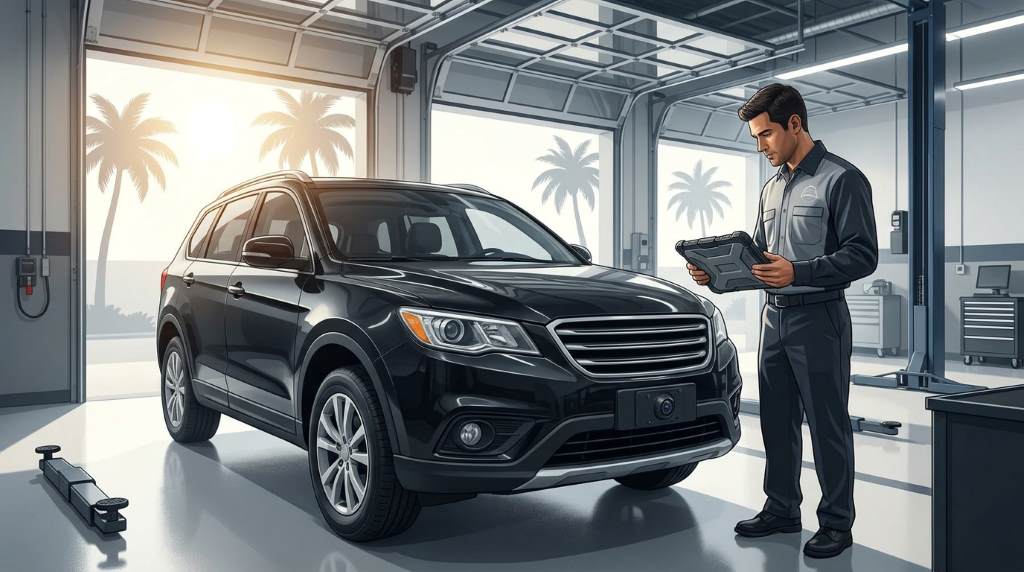
Signs Your Front Bumper Camera Needs Re-Alignment
Drivers usually notice warning messages before complete system failure occurs. However, some vehicles continue operating with reduced camera accuracy. Therefore, recognizing early symptoms prevents larger safety concerns.
Dashboard alerts commonly appear after front end repairs or unexpected impacts. Furthermore, if warning lights remain active, technicians may inspect related diagnostic issues like a check engine light because multiple electronic systems sometimes communicate together.
- Forward collision warning activates unexpectedly.
- Automatic emergency braking behaves inconsistently.
- Parking assistance displays inaccurate images.
- Object recognition becomes unreliable.
- Driver assistance warning messages appear repeatedly.
- Camera image looks tilted or distorted.
How Professionals Re-Align Front Bumper Cameras
Step 1: Complete a Visual Inspection
Technicians first inspect the bumper, mounting brackets, and surrounding hardware carefully. Then they verify that every component matches factory installation specifications. Physical damage must be repaired before calibration begins.
Step 2: Scan Vehicle Systems
Professional diagnostic equipment communicates directly with the vehicle control modules. Consequently, technicians identify stored fault codes before continuing the alignment process. Clearing errors too early may hide important information.
Step 3: Check Steering And Suspension
Vehicle alignment influences camera accuracy more than many drivers realize. Therefore, technicians inspect steering geometry before final calibration. In some situations, consulting a power steering specialist ensures steering components operate correctly.
Step 4: Position Calibration Targets
Manufacturers specify exact distances between calibration targets and the vehicle. Likewise, technicians measure every position with specialized tools. Even small measurement errors reduce calibration accuracy.
Step 5: Perform Static Calibration
The diagnostic computer communicates with the camera while reading calibration targets. During this process, software updates camera positioning values automatically. Every manufacturer follows specific calibration procedures.
Step 6: Complete Dynamic Calibration
Some vehicles require controlled road driving after static calibration finishes successfully. Consequently, onboard computers learn road markings and environmental references. Safe driving conditions remain essential throughout this procedure.
Can You Re-Align The Camera Yourself?
Most modern vehicles require manufacturer approved equipment for accurate calibration. Therefore, home adjustments rarely produce reliable results. Simple visual alignment never replaces electronic calibration.
Although online tutorials appear helpful, every vehicle uses different specifications and software requirements. Consequently, incorrect adjustments may disable important safety systems without obvious warning.
How Long Does Camera Re-Alignment Take?
Most professional calibration appointments require one to three hours under normal conditions. However, damaged components or additional repairs extend service time. Scheduling inspections early helps avoid unnecessary delays.
Furthermore, software updates occasionally increase calibration time because manufacturers regularly improve system performance. Experienced repair facilities usually explain expected timelines before beginning work.
Tips For Maintaining Camera Accuracy
Proper maintenance extends camera performance while reducing future calibration needs. Likewise, careful driving protects sensitive mounting components from unnecessary impacts. Simple habits make a noticeable difference.
- Keep the camera area clean regularly.
- Avoid hitting parking curbs.
- Repair bumper damage promptly.
- Inspect warning lights immediately.
- Request calibration after collision repairs.
- Follow manufacturer maintenance recommendations.
Choosing A Qualified Repair Facility
Selecting an experienced repair shop improves calibration accuracy and long term reliability. Therefore, verify technician certifications before scheduling service. Quality equipment also plays an important role.
Ask whether the facility follows manufacturer calibration procedures using approved diagnostic tools. Additionally, request documentation confirming successful calibration after the repair finishes.
Final Thoughts
Front bumper camera alignment directly affects modern safety technology and driver confidence. Therefore, prompt inspection after repairs or impacts protects both performance and safety. Professional calibration provides accurate results that simple visual adjustments cannot achieve.
If your vehicle displays warning messages or experienced recent front end repairs, schedule a professional inspection immediately. Accurate camera alignment helps every advanced safety feature perform exactly as designed.
Frequently Asked Questions
How often should front bumper cameras be calibrated?
Calibration is recommended after bumper repairs, collisions, or whenever manufacturer guidelines require it.
Can driving with a misaligned camera be dangerous?
Yes, inaccurate camera data may reduce the effectiveness of advanced driver assistance features.
Will replacing a bumper always require camera calibration?
Most vehicles with front bumper cameras require recalibration after bumper replacement.
Can wheel alignment affect front bumper cameras?
Yes, improper wheel alignment can influence calibration accuracy on many vehicle models.
Does insurance cover camera recalibration?
Coverage depends on your insurance policy and the reason for the repair.