Phoenix drivers often feel surprised when a vehicle fails an emissions test after a check engine light appears. However, the connection between these two issues is usually direct. According to emissions compliance data, millions of vehicles across the United States fail inspections each year due to onboard diagnostic faults. In many cases, warning signs appear long before the test. Drivers who notice catalytic converter failure symptoms can often address problems early. Understanding why these failures happen helps Phoenix vehicle owners avoid costly repairs and inspection delays.
Understanding the Relationship Between the Check Engine Light and Emissions Testing
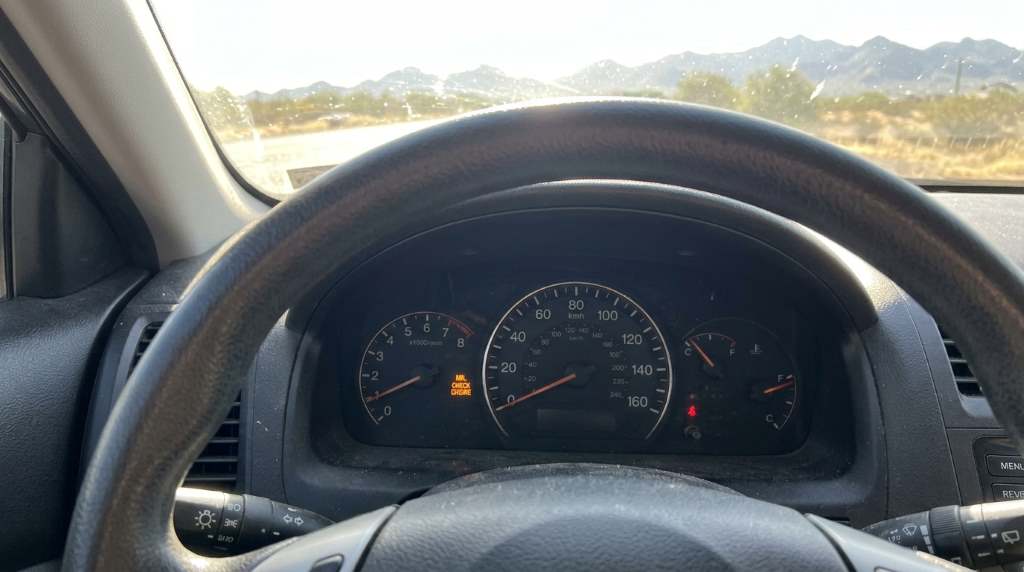
The check engine light serves as an early warning system. It alerts drivers when the engine management system detects a fault. In many situations, the problem affects vehicle emissions directly. As a result, inspection equipment quickly identifies the issue during testing.
Modern vehicles rely on onboard diagnostics to monitor performance. These systems track sensors, fuel delivery, ignition timing, and exhaust output. When readings fall outside acceptable limits, the computer stores diagnostic codes. Consequently, the check engine light activates to alert the driver.
Phoenix emissions testing centers connect directly to a vehicle’s computer. Technicians review stored trouble codes and monitor readiness status. Therefore, a vehicle can fail even when it appears to run normally. The underlying electronic data often tells a different story.
Why Phoenix Climate Conditions Increase Emissions Problems
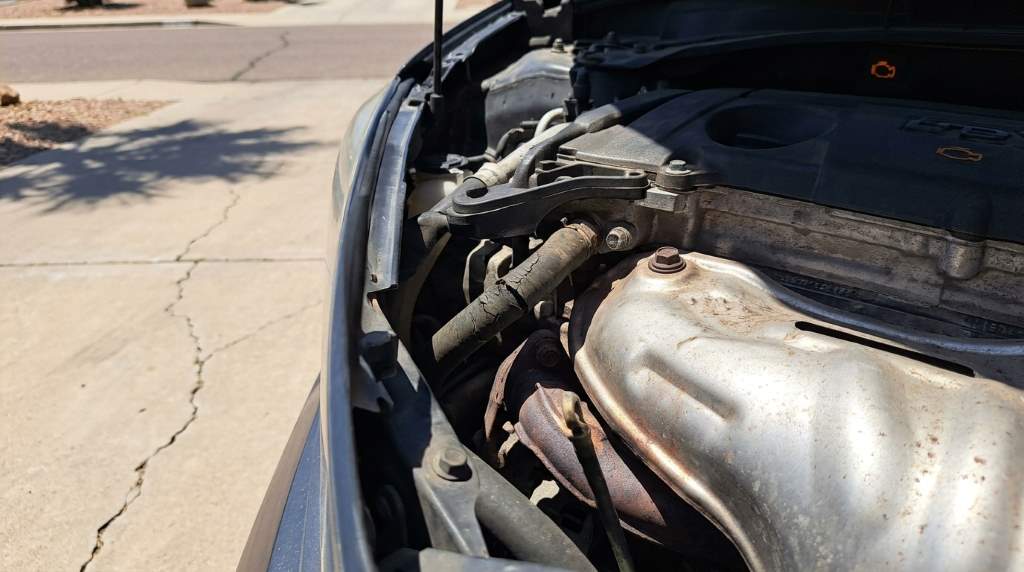
Phoenix experiences some of the hottest temperatures in the country. Extreme heat places additional stress on engines and emissions components. As temperatures rise, sensors and electrical connections may degrade faster. Consequently, emissions-related failures become more common.
Dust also creates challenges for local drivers. Fine desert particles enter engine compartments and air intake systems. Over time, contamination affects sensor accuracy and airflow measurements. Therefore, the vehicle computer may trigger a warning light.
Many residents drive long distances daily. Extended exposure to heat accelerates wear on catalytic converters and oxygen sensors. Additionally, repeated thermal expansion stresses wiring and connectors. These conditions often contribute to inspection failures.
Common Reasons Vehicles Fail Emissions After a Check Engine Light Appears
Faulty Oxygen Sensors
Oxygen sensors measure exhaust gas composition continuously. They help the engine maintain an efficient air-fuel mixture. When these sensors fail, fuel delivery becomes inaccurate. As a result, emissions levels increase significantly.
A faulty sensor may not affect drivability immediately. However, the onboard diagnostic system still records the malfunction. Therefore, the check engine light often appears before noticeable symptoms develop. Ignoring the warning usually leads to test failure.
Catalytic Converter Problems
The catalytic converter reduces harmful pollutants before they leave the exhaust system. It converts dangerous gases into less harmful compounds. When the converter becomes damaged, emissions rise quickly. Consequently, inspection stations detect excessive pollution output.
Phoenix heat can accelerate catalytic converter deterioration. High operating temperatures stress internal materials continuously. Furthermore, unresolved engine problems often damage converters over time. This combination creates a frequent cause of emissions failures.
Evaporative Emission System Leaks
The evaporative emission system captures fuel vapors before they enter the atmosphere. Small leaks often develop in hoses, valves, or fuel caps. Although these leaks seem minor, they frequently trigger diagnostic codes. As a result, the vehicle fails inspection requirements.
Many drivers overlook a loose gas cap. Yet the onboard system monitors fuel vapor containment carefully. Therefore, something as simple as an improperly sealed cap can illuminate the warning light. Quick attention can prevent unnecessary inspection failures.
Mass Airflow Sensor Issues
The mass airflow sensor measures incoming air volume. Accurate readings help the engine calculate proper fuel delivery. When dirt or contamination affects the sensor, performance suffers. Consequently, emissions may exceed acceptable standards.
Desert dust creates additional challenges in Phoenix. Airborne particles accumulate despite regular driving conditions. Therefore, airflow sensors require periodic inspection and maintenance. Clean sensors often support better emissions compliance.
How Vehicle Readiness Monitors Affect Emissions Results
Many drivers repair a fault and immediately schedule testing. Unfortunately, this approach often creates new problems. Vehicle computers require time to complete self-diagnostic checks. Therefore, readiness monitors may remain incomplete.
After repairs, drivers should complete several normal driving cycles. The computer needs real-world operating conditions to verify system performance. Once monitors show complete status, testing becomes more reliable. Consequently, the chance of failure decreases.
Some vehicle owners disconnect the battery to clear warning lights. However, this action resets readiness monitors completely. In addition, inspectors can see incomplete monitor data during testing. Therefore, the vehicle may still fail despite no active warning light.
The Hidden Impact of Electrical System Problems
Many automotive blogs focus only on sensors and exhaust components. However, electrical issues create overlooked emissions failures. Weak batteries, damaged grounds, and voltage fluctuations often affect system accuracy. Consequently, false diagnostic codes may appear.
Extreme Arizona heat shortens battery life considerably. As voltage stability declines, electronic modules may behave unpredictably. Drivers often overlook this connection because the vehicle still starts normally. Yet emissions systems depend on consistent electrical performance.
Routine battery maintenance supports system reliability. Drivers who follow a reduce car battery replacement costs strategy often improve overall vehicle health. Consequently, electronic components receive more stable operating conditions. This uncommon factor can influence emissions outcomes significantly.
Why Sensor Calibration Matters More Than Many Drivers Realize
Modern vehicles rely on precise sensor communication. Every emissions decision comes from collected electronic data. If one sensor reports inaccurate information, system calculations become compromised. Therefore, emissions performance may suffer.
Drivers often focus on replacing failed components. However, proper calibration matters after installation. Incorrect readings can trigger new trouble codes quickly. Consequently, vehicles may continue failing inspections despite recent repairs.
Headlight alignment may seem unrelated to emissions. Yet technicians performing broader maintenance inspections often discover additional concerns during service visits. Drivers who understand adjust headlights left and right maintenance procedures usually adopt stronger preventive care habits. As a result, they often identify vehicle problems earlier.
How Steering and Suspension Issues Can Indirectly Affect Emissions
This topic receives little attention in most emissions discussions. Yet vehicle dynamics influence engine workload and efficiency. Poor alignment or steering resistance forces the engine to work harder. Consequently, fuel consumption and emissions may increase.
Uneven tire wear also changes rolling resistance. The engine compensates for additional drag during daily driving. Over time, these conditions contribute to reduced efficiency. Therefore, some vehicles experience higher emissions output.
Drivers who address suspension steering repairs uneven steering feedback concerns often notice smoother vehicle operation. Better efficiency supports cleaner combustion and improved performance. While indirect, this connection remains important. Few vehicle owners consider this relationship.
Practical Steps to Pass Emissions Testing in Phoenix
- Address the check engine light immediately.
- Repair diagnostic trouble codes before scheduling testing.
- Complete required driving cycles after repairs.
- Inspect the gas cap regularly.
- Replace dirty air filters on schedule.
- Maintain battery and charging system health.
- Use quality fuel from reputable stations.
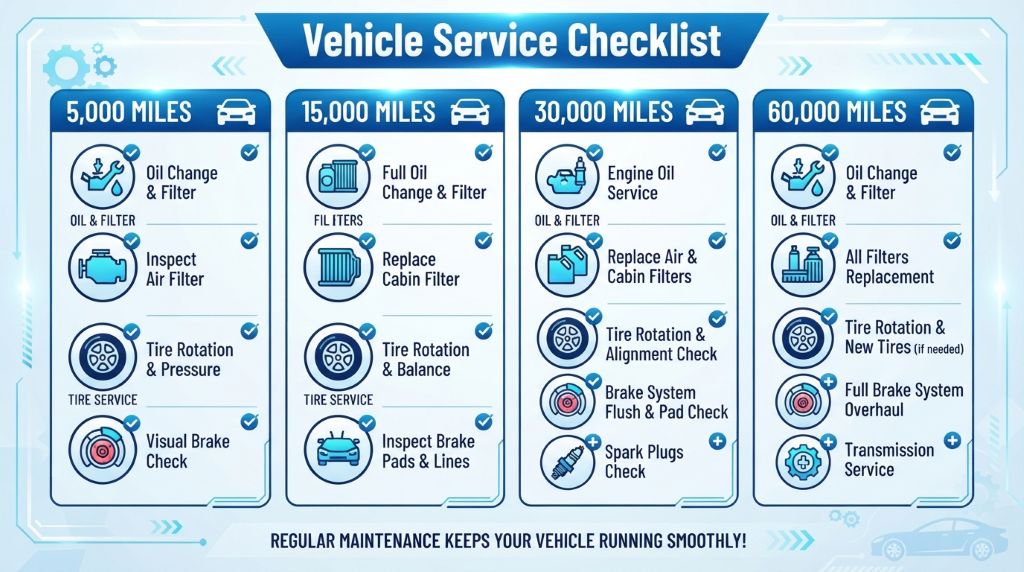
- Follow manufacturer maintenance intervals.
Drivers should also keep maintenance records organized. Documentation helps technicians identify recurring issues quickly. Furthermore, consistent service improves long-term reliability. Preventive care remains less expensive than major repairs.
When Professional Diagnostics Become Necessary
Some emissions problems require specialized diagnostic equipment. Modern vehicles contain complex computer networks and sensor systems. Basic code readers may not reveal root causes accurately. Therefore, professional evaluation often saves time and money.
Experienced technicians analyze live data streams during operation. They compare sensor readings against manufacturer specifications. This approach identifies faults that simple scans may miss. Consequently, repairs become more precise and effective.
Phoenix drivers benefit from early diagnostic testing. Waiting until inspection deadlines creates unnecessary pressure. Instead, addressing warning lights promptly allows time for proper repairs. This strategy increases the likelihood of passing emissions requirements.
Conclusion
Cars in Phoenix often fail emissions inspections after a check engine light appears because both systems work closely together. Faulty sensors, catalytic converter problems, vapor leaks, electrical issues, and incomplete readiness monitors frequently cause failures. Additionally, Phoenix heat and desert conditions accelerate wear on critical components. Drivers who respond quickly to warning lights usually avoid larger repair bills and inspection setbacks.
If your check engine light turns on, schedule a diagnostic inspection immediately. Early action improves vehicle reliability, lowers repair costs, and increases your chances of passing emissions testing successfully.
FAQs
Can a car fail emissions if the check engine light is on?
Yes, most emissions programs automatically fail vehicles with an active check engine light.
How long should I drive after repairs before testing?
Most vehicles need several complete driving cycles to reset readiness monitors.
Will disconnecting the battery help me pass emissions?
No, disconnecting the battery resets readiness monitors and can still cause failure.
Does Phoenix heat affect emissions components?
Yes, extreme temperatures accelerate wear on sensors, wiring, and catalytic converters.
Can a loose gas cap trigger a check engine light?
Yes, a loose or damaged gas cap commonly triggers evaporative emissions system codes.