

Car accidents often create difficult legal disputes when multiple drivers share responsibility. According to national traffic safety reports, millions of crashes occur annually, while many injury claims involve shared fault. Understanding comparative negligence car accident principles helps injured people protect valuable compensation. This guide explains practical strategies for handling comparative negligence claims confidently in Atlanta, GA while avoiding costly legal mistakes.
Understanding Comparative Negligence In Atlanta, GA
Comparative negligence determines how much compensation each injured person may receive after sharing accident responsibility. Georgia follows a modified comparative negligence rule that affects many personal injury claims.
Under this system, compensation decreases according to each person’s percentage of fault. Therefore, proving another driver’s responsibility becomes an important part of every successful claim.
Insurance companies often review every detail before assigning fault percentages. Additionally, learning about connected cars insurance coverage explains how modern vehicle technology may influence accident investigations.
Why Fault Percentage Matters
If your responsibility remains below fifty percent, you may still recover damages. However, your financial recovery decreases according to your assigned share of fault.
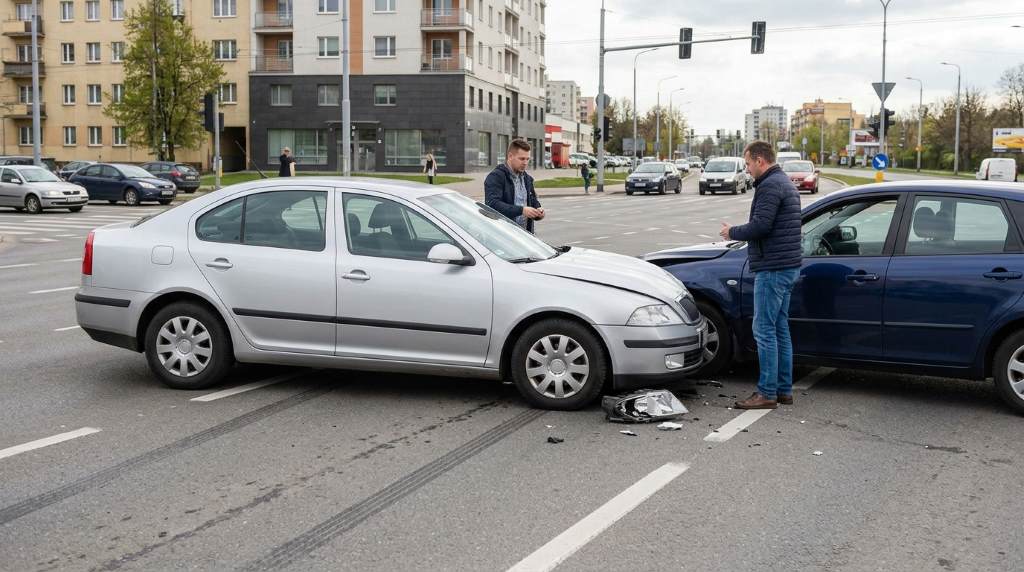
Steps To Protect Your Comparative Negligence Claim
Strong evidence often determines whether fault percentages remain fair throughout negotiations. Therefore, taking immediate action after an accident significantly improves your legal position.
Photograph vehicle damage, road conditions, weather, traffic signals, and visible injuries immediately. Likewise, collect witness contact information before everyone leaves the accident scene.
Medical treatment should begin quickly even after seemingly minor injuries. Furthermore, consistent medical records strengthen your injury claim while reducing insurer arguments.
Modern vehicles collect valuable electronic information after many crashes. Learning about vehicle software updates helps explain how digital evidence sometimes affects insurer investigations.
Essential Evidence Checklist
- Police accident report
- Medical records and treatment receipts
- Vehicle damage photographs
- Witness statements
- Traffic camera footage
- Insurance communications
- Repair estimates
- Employment income records
Common Insurance Company Strategies
Insurance adjusters frequently search for evidence that shifts greater responsibility toward injured drivers. Consequently, every recorded statement deserves careful consideration before answering detailed questions.
Some insurers argue that speeding, distraction, or delayed braking increased injury severity. Therefore, remaining accurate and consistent during every conversation becomes extremely important.
Many policyholders misunderstand available protection after serious collisions. Reading about liability full coverage myths provides useful background before discussing settlement options.
How To Respond Professionally
- Answer questions honestly.
- Avoid guessing unknown facts.
- Never admit fault without evidence.
- Keep detailed communication records.
- Review settlement offers carefully.
Building A Strong Legal Strategy
Successful comparative negligence cases rely upon organized documentation and consistent factual evidence. Meanwhile, experienced legal guidance often strengthens complicated accident claims.
Keep every receipt related to medical treatment, transportation, and property repairs. Additionally, maintain a written journal describing pain, recovery progress, and daily limitations.
Witness testimony frequently supports disputed accident circumstances during negotiations or courtroom proceedings. Therefore, preserving reliable witness information remains valuable throughout your case.
Important Damages You May Recover
- Medical expenses
- Lost wages
- Future medical care
- Property damage
- Pain and suffering
- Reduced earning capacity
Mistakes That Can Reduce Compensation
Several common mistakes weaken otherwise strong personal injury claims after serious vehicle collisions. Fortunately, recognizing these errors early helps protect potential compensation.
Missing medical appointments creates unnecessary questions about injury severity and recovery progress. Likewise, posting accident details across social media may damage claim credibility.
Waiting too long before gathering evidence also creates avoidable legal challenges. Consequently, acting quickly preserves important records before valuable information disappears.
Habits To Avoid
- Ignoring medical advice
- Deleting accident photographs
- Providing inconsistent statements
- Accepting early settlements immediately
- Missing important legal deadlines
Working Effectively With Your Attorney
Open communication helps attorneys develop stronger legal arguments supported by reliable evidence. Therefore, provide complete information even when certain facts seem unfavorable.
Your attorney evaluates available evidence before challenging inaccurate fault assessments from insurance companies. Moreover, skilled negotiation often produces better settlement outcomes than individual discussions.
Regular case updates also help clients understand claim progress and upcoming legal requirements. Consequently, informed decisions become easier throughout every stage of litigation or settlement.
Conclusion
Handling comparative negligence in Atlanta, GA requires preparation, strong documentation, and careful communication after every accident. Every action influences how insurers and courts evaluate responsibility.
Protect your rights by gathering evidence quickly, following medical advice, and seeking experienced legal guidance whenever fault becomes disputed. Taking these practical steps greatly improves your opportunity to receive fair compensation.
Frequently Asked Questions
What is comparative negligence in Georgia?
It reduces compensation according to each person’s percentage of fault after an accident.
Can I recover damages if I share responsibility?
Yes, you may recover compensation if your fault remains below fifty percent.
Why should I gather evidence immediately?
Early evidence strengthens your claim and supports accurate fault determinations.
Should I accept the first insurance settlement?
No, carefully review every settlement because initial offers may undervalue your claim.
When should I contact an attorney?
Consult an attorney as soon as fault becomes disputed or serious injuries occur.