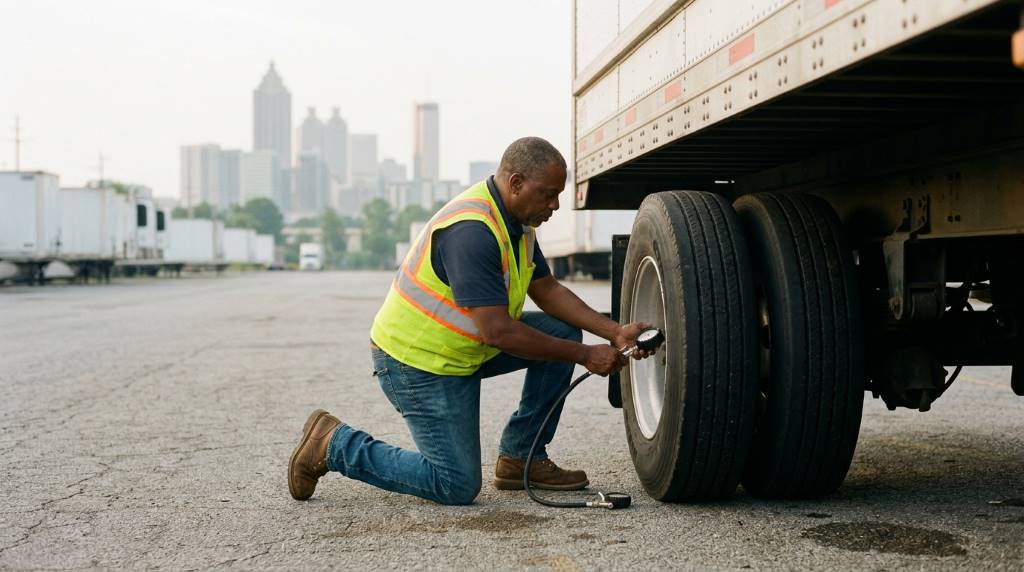
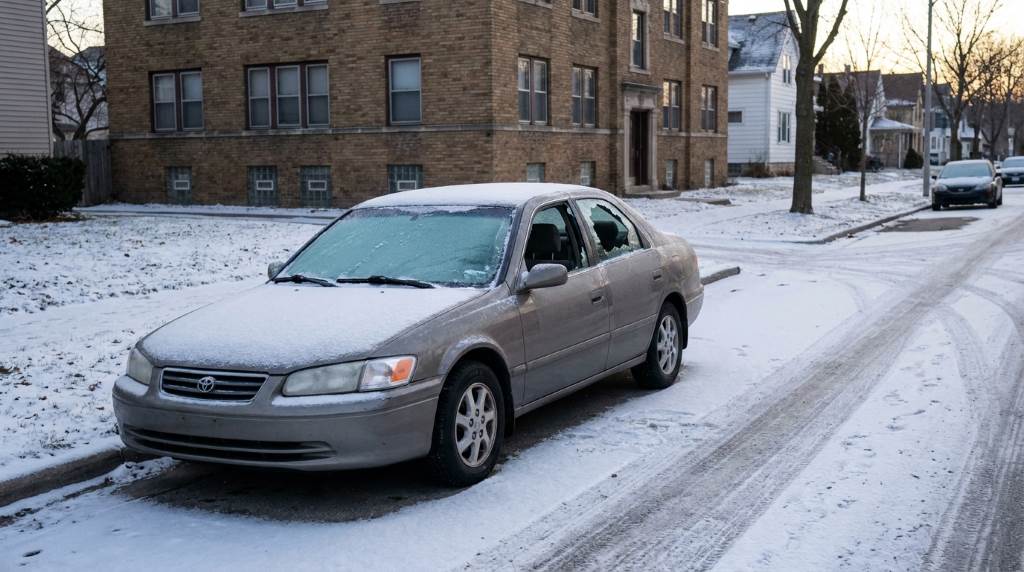
Milwaukee winters create serious challenges for drivers who leave their vehicles outside overnight. According to the National Weather Service, Milwaukee often records winter temperatures below 20°F, while heavy snowfall and freezing rain remain common throughout the season. These harsh conditions increase the risk of frozen batteries, damaged tires, and mechanical wear. Many drivers also underestimate the cold weather impact on parked cars during long overnight exposure. As a result, even a reliable vehicle can suffer expensive problems after repeated outdoor parking in Wisconsin’s extreme climate.
Beyond weather damage, Milwaukee drivers also face risks linked to theft, vandalism, road salt exposure, and moisture buildup. Overnight parking near busy streets or open lots can leave vehicles vulnerable to both environmental and human-related damage. Furthermore, repeated freezing and thawing cycles slowly weaken several important vehicle systems. Drivers who understand these hidden risks can protect their investment and avoid costly repairs. This guide explains why leaving your car outside overnight in Milwaukee can become a serious problem and how to reduce those risks effectively.
Extreme Cold Can Damage Your Car Battery
Cold temperatures reduce battery performance faster than many drivers expect. In Milwaukee, overnight winter lows often drop enough to weaken battery power significantly before morning. As temperatures decrease, engine oil thickens and forces the battery to work harder during startup. Consequently, older batteries may fail without warning after a single freezing night. Drivers who follow a battery replacement costs maintenance routine often experience fewer winter breakdowns.
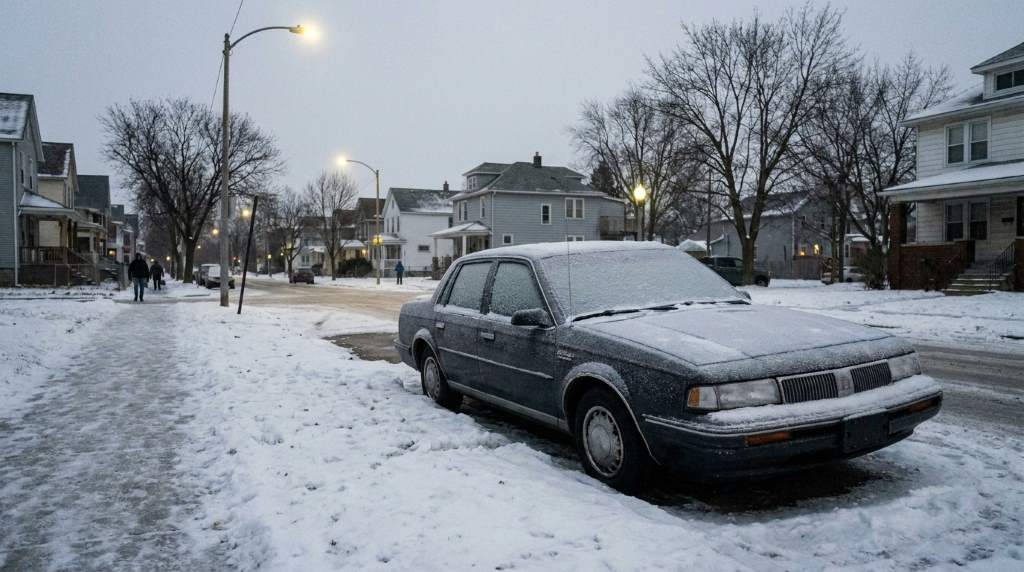
Battery corrosion also becomes more dangerous during winter weather. Moisture from snow and freezing rain collects around battery terminals overnight and increases corrosion buildup. Over time, corroded terminals reduce electrical flow and weaken ignition reliability. In addition, sudden temperature swings between daytime thawing and nighttime freezing stress battery cells repeatedly. This cycle shortens overall battery lifespan and increases replacement costs.
Drivers who park outside regularly should inspect battery health before winter begins. Mechanics recommend testing voltage levels once temperatures consistently drop below freezing. Portable jump starters also provide extra protection during severe weather conditions. Moreover, using a battery blanket can help maintain stable operating temperatures overnight. Small preventive steps often save drivers from emergency towing expenses later.
Road Salt Exposure Causes Hidden Corrosion
Milwaukee roads receive heavy salt treatment throughout winter to improve driving safety. While road salt helps prevent ice buildup, it also accelerates corrosion underneath parked vehicles. Salt residue sticks to wheel wells, brake lines, and suspension components after daily driving. When cars remain parked overnight outdoors, freezing moisture traps that salt against metal surfaces for hours. Eventually, rust develops faster than many vehicle owners realize.
Undercarriage corrosion creates long-term structural damage that becomes expensive to repair. Brake lines can weaken, exhaust systems may rust through, and frame components slowly deteriorate over time. Furthermore, rust damage often remains hidden until serious safety concerns appear. Milwaukee’s freeze-thaw cycles make this issue worse because trapped moisture repeatedly expands inside metal cracks. Consequently, vehicles parked outdoors year-round usually show faster deterioration than garage-kept cars.
Regular undercarriage washing helps reduce salt-related corrosion risks significantly. Drivers should wash vehicles frequently during winter, especially after snowstorms or icy road conditions. Protective rust-proof coatings also provide extra defense against moisture and salt buildup. Additionally, indoor parking during severe storms limits overnight exposure to corrosive road chemicals. Long-term maintenance habits can preserve vehicle value for many years.
Frozen Fluids Create Mechanical Problems
Many vehicle fluids struggle to perform correctly during Milwaukee’s harsh winter nights. Engine oil thickens in freezing temperatures and increases strain on internal components during startup. Windshield washer fluid may freeze if drivers use low-quality mixtures not rated for winter weather. Likewise, coolant systems become vulnerable when antifreeze levels remain too low. These issues create unnecessary wear on important engine parts.
Transmission fluid performance also changes dramatically in cold temperatures. Stiff fluid circulation reduces smooth shifting and places extra pressure on transmission systems during early morning driving. In some cases, delayed lubrication causes additional friction inside moving components. Consequently, repeated cold starts gradually increase long-term mechanical stress. Drivers who ignore these warning signs may face costly repair bills later.
Routine fluid inspections help prevent winter-related damage before problems appear. Mechanics often recommend winter-grade oils specifically designed for cold-weather performance. Drivers should also check antifreeze concentration levels before temperatures drop below freezing consistently. Furthermore, storing emergency washer fluid inside the vehicle helps maintain visibility during sudden snowstorms. Preventive maintenance remains one of the best defenses against overnight winter damage.
Tires Lose Pressure Overnight in Cold Weather
Milwaukee’s freezing temperatures directly affect tire pressure during overnight parking. Air contracts in cold weather, causing tires to lose pressure quickly after sunset. Even a small pressure drop can reduce traction and increase stopping distance on icy roads. Consequently, underinflated tires wear unevenly and decrease overall fuel efficiency. Many suspension problems also become worse when tires remain improperly inflated.
Cold weather can also expose weaknesses in aging tires faster than warm conditions. Small cracks inside tire rubber expand during repeated freezing and thawing cycles. Furthermore, stiff winter rubber reduces grip on snow-covered streets and increases skidding risks. Drivers experiencing uneven steering should inspect their vehicles because suspension steering repairs uneven conditions often worsen during harsh winter weather. Proper tire maintenance improves both safety and handling significantly.
Checking tire pressure weekly during winter helps prevent dangerous driving conditions. Drivers should inflate tires according to manufacturer recommendations listed inside the driver-side door. Winter tires also provide stronger grip and shorter stopping distances in icy conditions. In addition, rotating tires regularly helps distribute wear evenly throughout the season. Consistent maintenance improves performance and extends tire lifespan.
Snow and Ice Can Damage Exterior Components
Heavy overnight snowfall creates more than just inconvenience for Milwaukee drivers. Thick ice accumulation adds extra weight to mirrors, windshield wipers, and roof panels during winter storms. Frozen wipers often crack when drivers attempt to remove them forcefully before warming the windshield. Likewise, repeated scraping can scratch paint and damage protective coatings. Small exterior issues often become expensive cosmetic repairs later.
Door seals also experience damage from overnight freezing temperatures. Moisture trapped around rubber seals freezes and causes doors to stick shut in the morning. Drivers sometimes pull aggressively on frozen handles and accidentally break locking mechanisms. Furthermore, repeated freezing weakens rubber flexibility and increases cracking over time. These hidden issues gradually reduce weather protection inside the vehicle.
Using a windshield cover helps reduce snow and ice buildup overnight. Silicone-based rubber protectants also preserve door seals during extreme cold conditions. Drivers should remove snow carefully with soft brushes instead of metal tools that scratch surfaces. Additionally, parking away from snowplow routes limits accidental ice spray and debris impact. Smart parking habits can reduce exterior damage considerably.
Milwaukee’s Humidity Creates Interior Moisture Problems
Many drivers focus only on exterior winter damage while ignoring interior moisture buildup. Milwaukee’s humidity and fluctuating temperatures often create condensation inside parked vehicles overnight. Wet boots, snow-covered floor mats, and trapped moisture increase cabin humidity significantly. Consequently, windows fog faster and unpleasant odors may develop inside the vehicle. Long-term moisture exposure can also encourage mold growth beneath carpeting.
Electronic systems inside modern vehicles face additional risks from hidden moisture exposure. Dashboard controls, touchscreen systems, and sensor wiring may experience corrosion over time. In some cases, condensation damages electrical connections and triggers warning lights unexpectedly. Furthermore, moisture inside enclosed cabins creates an ideal environment for bacteria and mildew growth. This problem becomes worse during long periods of winter parking outdoors.
Drivers can reduce interior moisture by removing snow from shoes before entering the vehicle. Waterproof floor mats also help contain slush and melting ice effectively. Leaving windows slightly cracked during dry weather may improve airflow and reduce condensation buildup. Moreover, silica moisture absorbers provide an inexpensive solution for humid cabin conditions. Interior care matters just as much as exterior protection during winter.
Vehicle Theft and Vandalism Increase Overnight
Leaving vehicles outside overnight also increases exposure to theft and vandalism risks in urban areas. Dark parking lots and residential streets provide opportunities for criminals targeting unattended vehicles. Milwaukee police reports often show increased theft activity during overnight hours throughout the year. Furthermore, thieves frequently target vehicles left running unattended during winter warm-ups. A moment of convenience can quickly become a major financial loss.
Visible valuables inside parked vehicles create additional temptation for break-ins overnight. Phones, backpacks, tools, and electronic accessories attract thieves even in seemingly quiet neighborhoods. Broken windows and stolen belongings often cost more than drivers expect after insurance deductibles. In addition, vandalism from random damage incidents can leave owners with unexpected repair expenses. Outdoor parking simply exposes vehicles to more unpredictable risks.
Drivers should always lock vehicles and remove valuables before parking overnight. Motion-activated lights and security cameras also discourage suspicious activity around residential parking areas. Parking near well-lit locations provides another layer of protection against theft attempts. Additionally, steering wheel locks can help deter opportunistic criminals targeting easy vehicles. Preventive security habits remain extremely important in urban winter environments.
Rare but Serious Wildlife Damage Risks
One overlooked issue in Milwaukee involves wildlife seeking warmth underneath parked vehicles during cold nights. Small animals such as mice and squirrels often crawl into engine compartments for shelter during freezing weather. Unfortunately, these animals sometimes chew wiring insulation and damage electrical systems overnight. Drivers may not notice the issue until warning lights or starting problems appear later. Repair costs for chewed wiring can become surprisingly expensive.
Rodent activity also increases near wooded neighborhoods and suburban parking areas during winter. Warm engine compartments attract animals immediately after vehicles finish driving. Furthermore, food wrappers or crumbs left inside cars encourage rodents to remain nearby longer. Some mechanics even report nest materials clogging ventilation systems during colder months. This unusual risk rarely appears in most automotive blogs despite being a real winter issue.
Drivers can reduce wildlife attraction by cleaning vehicles regularly and removing food waste quickly. Peppermint-based repellents may also discourage rodents from entering engine areas overnight. Parking inside garages whenever possible provides stronger protection against animal intrusion. In addition, regular engine inspections help detect early signs of nesting or wiring damage. Early prevention often avoids expensive electrical repairs later.
How Milwaukee Drivers Can Protect Their Cars Overnight
Several practical steps can reduce the risks linked to overnight outdoor parking in Milwaukee. First, drivers should invest in high-quality winter accessories such as windshield covers and battery warmers. Regular maintenance inspections also help identify weak components before severe weather arrives. Furthermore, covered parking options provide valuable protection during extreme snowstorms and freezing rain events. Prevention always costs less than major winter repairs.
Drivers should also maintain a consistent cleaning routine throughout winter months. Removing road salt and moisture quickly prevents corrosion from spreading across vehicle surfaces. Checking tire pressure, fluid levels, and battery performance weekly improves reliability significantly. Additionally, keeping emergency supplies inside the vehicle helps drivers handle sudden weather emergencies safely. Winter preparedness remains essential for Milwaukee vehicle owners.
Long-term protection also involves addressing steering and electrical concerns early before winter worsens them. Many drivers overlook hidden electrical problems until freezing temperatures expose system weaknesses suddenly. Reading about los angeles steering wheel concerns can help drivers understand how electrical issues affect vehicle reliability in different climates. Scheduling preventive inspections before winter arrives reduces stress and unexpected breakdowns later. Smart preparation helps Milwaukee drivers protect both safety and vehicle value.
Conclusion
Leaving your car outside overnight in Milwaukee, WI can expose it to serious environmental, mechanical, and security-related risks throughout the year. Freezing temperatures, heavy road salt, moisture buildup, and theft concerns all contribute to long-term vehicle damage and expensive repairs. Fortunately, regular maintenance and smart parking habits can reduce many of these risks significantly. Drivers who stay proactive protect both vehicle performance and long-term resale value. If you want your vehicle to survive Milwaukee winters more reliably, start implementing these protective strategies before the next cold season arrives.
FAQs
Can cold weather permanently damage a car battery?
Yes, repeated freezing temperatures can weaken battery cells and shorten overall battery lifespan.
Why does road salt damage cars so quickly in Milwaukee?
Road salt traps moisture against metal surfaces and accelerates rust formation during winter.
Should I warm up my car before driving in winter?
Yes, short warm-ups help fluids circulate properly before driving in freezing conditions.
Do winter tires really make a difference in Milwaukee?
Yes, winter tires improve traction, handling, and braking performance on icy roads.
Can animals really damage parked cars overnight?
Yes, rodents sometimes chew wiring and build nests inside warm engine compartments during winter.