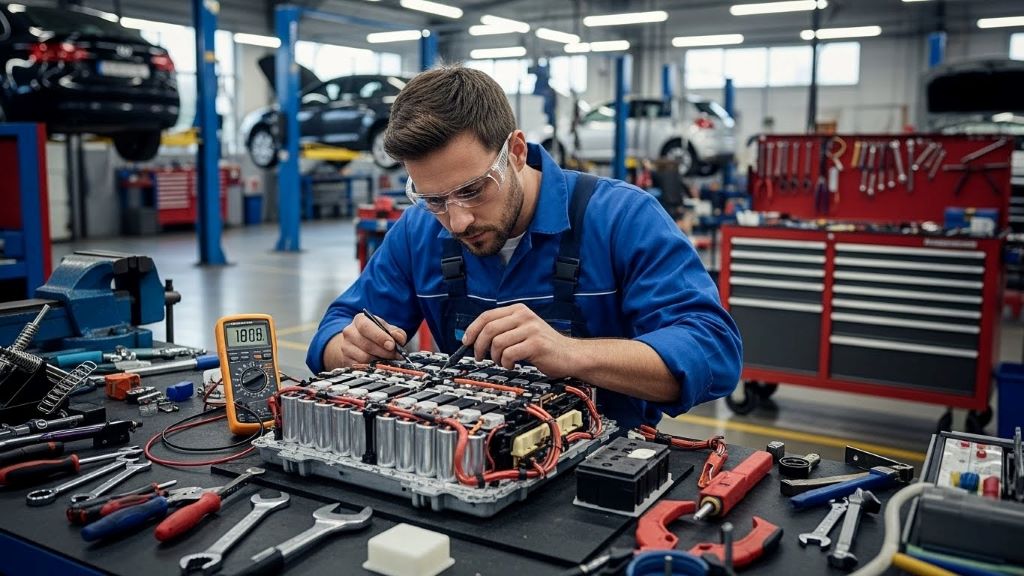
Hybrid vehicles offer excellent fuel economy and environmental benefits. However, these cars can be expensive to repair when something goes wrong. Many owners find themselves surprised by the cost of fixing hybrid-specific components. Fortunately, auto repair financing provides a solution that makes these necessary repairs more affordable.
Understanding Hybrid Vehicle Repair Costs
Hybrid cars combine traditional gasoline engines with electric motors and battery systems. This dual technology creates unique maintenance needs. While hybrids often require less frequent brake repairs due to regenerative braking, other components can be costly to fix.
The battery pack represents the most expensive potential repair. Replacement costs typically range from $2,000 to $8,000, depending on the vehicle model. Additionally, hybrid inverters, converters, and electric motor repairs can quickly add up. Labor costs also tend to be higher because mechanics need specialized training to work on these vehicles.
Regular maintenance items like oil changes and tire rotations cost about the same as conventional vehicles. However, when major repairs become necessary, the price difference becomes significant. Many hybrid owners discover this reality only when facing an unexpected breakdown.
Why Financing Makes Sense for Hybrid Repairs
Most people budget for routine maintenance but struggle with unexpected repair bills. A sudden $3,000 battery replacement can strain any household budget. Therefore, financing options provide breathing room for vehicle owners who need immediate repairs but lack available cash.
Repair financing allows you to spread costs over several months or years. This approach keeps your hybrid on the road without depleting your emergency savings. Moreover, maintaining your vehicle properly protects its resale value and ensures reliable transportation for work and family needs.
Many drivers avoid necessary repairs because of upfront costs. Consequently, small problems grow into larger, more expensive issues. Financing eliminates this dangerous cycle by making repairs affordable right away.
Types of Auto Repair Financing Available
Several financing options exist for hybrid vehicle repairs. Each comes with different terms, interest rates, and qualification requirements.
Credit cards represent the simplest option for smaller repairs. Many cards offer promotional zero-percent interest periods. However, high interest rates apply once promotional periods end. This option works best for repairs under $1,000 that you can pay off quickly.
Personal loans from banks or credit unions provide another solution. These loans typically offer fixed interest rates and predictable monthly payments. The application process takes longer than other options, but rates often beat credit card interest charges.
Repair shop financing programs have grown increasingly popular. Many auto repair facilities partner with financing companies to offer payment plans. According to Consumer Reports, these programs often provide quick approval and convenient application processes right at the repair shop. Some offer deferred interest promotions, though you must read terms carefully to avoid surprise charges.
Buy now, pay later services have entered the auto repair market recently. These programs split your bill into several equal payments over a few months. Interest rates vary, and some charge fees for late payments.
How to Choose the Right Financing Option
Selecting the best financing depends on several factors. Your credit score plays a major role in determining available options and interest rates. Additionally, the total repair cost influences which financing method makes the most sense.
Start by checking your credit score before applying for financing. Higher scores unlock better interest rates and terms. If your score needs improvement, consider asking a family member with better credit to cosign your loan.
Compare interest rates across all available options. A loan with a lower interest rate saves money over time, even if monthly payments stretch over a longer period. Calculate the total amount you will pay, including interest, before making a decision.
Read all terms and conditions carefully. Look for hidden fees, prepayment penalties, or promotional rate expiration dates. Some financing offers seem attractive initially but become expensive once promotional periods end.
Consider your monthly budget realistically. Choose a payment amount you can comfortably afford without sacrificing other essential expenses. Missing payments damages your credit score and may result in additional fees.
Qualifying for Hybrid Repair Financing
Lenders evaluate several factors when reviewing financing applications. Understanding these requirements helps you prepare and improves approval chances.
Credit history ranks as the most important factor. Lenders review your payment history, outstanding debts, and credit utilization. A score above 670 generally qualifies you for favorable terms, though some programs accept lower scores with higher interest rates.
Income verification demonstrates your ability to repay the loan. Most lenders require proof of steady employment or regular income. Self-employed individuals may need to provide additional documentation like tax returns or bank statements.
Debt-to-income ratio shows lenders how much of your income goes toward existing debts. Lower ratios improve approval odds. If your ratio seems high, paying down other debts before applying helps your application.
Some financing programs require down payments, especially for larger repairs. Having some money available upfront may unlock better terms or higher approval amounts.

Benefits of Using Specialized Auto Repair Financing
Specialized financing for auto repairs offers advantages over general-purpose loans or credit cards. These programs understand the unique nature of vehicle repair needs.
Quick approval processes get you back on the road faster. Many shop financing programs provide decisions within minutes. This speed matters when you need your car for work or family obligations.
Flexible terms accommodate different budgets and repair costs. You can often choose repayment periods ranging from six months to several years. Longer terms reduce monthly payments, though they increase total interest paid.
No prepayment penalties allow you to pay off loans early without extra charges. This flexibility helps if you receive a tax refund or work bonus and want to eliminate debt faster.
Promotional offers sometimes include deferred interest or low introductory rates. Taking advantage of these promotions reduces overall repair costs significantly. Nevertheless, ensure you understand when promotional periods end and what happens afterward.
Tips for Managing Your Repair Financing
Successfully managing auto repair financing protects your credit and finances. Following smart practices ensures the process remains beneficial rather than burdensome.
Make payments on time every month. Set up automatic payments through your bank to avoid missing due dates. Late payments trigger fees and damage your credit score.
Pay more than the minimum when possible. Extra payments reduce principal balances faster, saving interest charges. Even small additional amounts make a difference over time.
Keep your vehicle properly maintained after repairs. Regular oil changes, tire rotations, and inspections prevent future costly breakdowns. According to Kelley Blue Book, proper maintenance extends vehicle life and protects your investment.
Build an emergency fund for future repairs. Set aside small amounts each month to cover unexpected vehicle expenses. This preparation reduces reliance on financing for every repair need.
Avoid financing routine maintenance. Save financing for major unexpected repairs like battery replacements or transmission work. Pay for oil changes, filters, and similar items from your regular budget.
Alternative Solutions to Consider
Repair financing works well for many situations, but other options deserve consideration too. Exploring alternatives ensures you choose the best solution for your circumstances.
Extended warranties or vehicle service contracts cover certain repairs. If you purchased coverage when buying your hybrid, check whether your current repair qualifies. These warranties can save thousands on covered components.
Manufacturer recalls sometimes address common hybrid problems at no cost. Research whether any recalls apply to your vehicle model and issue. Dealers must perform recall repairs free of charge.
Credit union loans often offer better rates than commercial lenders. Members typically qualify for lower interest rates and more flexible terms. Check with your credit union before applying elsewhere.
Family loans might provide interest-free financing. If relatives can help, create a written agreement specifying repayment terms. This approach keeps relationships healthy while solving your immediate need.
Conclusion
Hybrid vehicles deliver excellent efficiency but sometimes require expensive repairs. Auto repair financing makes these necessary fixes affordable by spreading costs over manageable monthly payments. Whether you choose credit cards, personal loans, shop financing programs, or buy now pay later services, understanding your options helps you make informed decisions. Compare interest rates carefully, read all terms, and choose payments that fit your budget. With proper planning and responsible management, financing allows you to maintain your hybrid vehicle without financial stress. Remember that preventing problems through regular maintenance reduces the need for costly repairs and financing in the future.
Frequently Asked Questions
What credit score do I need for auto repair financing?
Most lenders prefer credit scores above 670 for the best rates. However, many financing programs accept scores as low as 580, though you will face higher interest rates. Some shop financing options approve applicants with limited credit history.
Can I finance hybrid battery replacement?
Yes, battery replacement is one of the most commonly financed hybrid repairs. Most financing options cover this expense, which typically ranges from $2,000 to $8,000. Shop financing programs specifically accommodate these high-cost repairs.
How long does approval take for repair financing?
Approval times vary by lender. Shop financing programs often provide decisions within minutes to a few hours. Bank loans may take several days. Credit card applications typically process within minutes if you have existing credit.
Will financing a car repair hurt my credit score?
Applying for financing triggers a hard credit inquiry, which may temporarily lower your score by a few points. However, making consistent on-time payments actually improves your credit over time. Missing payments causes significant damage to your score.
What happens if I cannot make my financing payments?
Missing payments results in late fees and credit score damage. Contact your lender immediately if you face payment difficulties. Many lenders offer hardship programs or payment arrangements. Ignoring the problem leads to collections and potential legal action.
Related Topics:
Do You Get a Title When Finance a Car?
The Ultimate Checklist for Choosing Restro Mod Financing