

Commercial trucks move millions of tons of freight every year, while roadside inspections help improve highway safety across major freight corridors. Weight violations can cause expensive fines, delivery delays, and unwanted inspections. Learning pass DOT weight Checks starts with proper planning instead of last minute adjustments. Before every trip, review a trailer axle weight distribution guide because balanced loading reduces compliance risks and improves vehicle stability.
Atlanta serves as one of the busiest freight hubs in the region because several interstate highways meet near the city. Drivers who understand inspection expectations often experience fewer delays during routine checkpoints. This guide explains practical preparation steps that help commercial operators stay compliant while protecting their schedules and equipment.
Understand DOT Weight Check Requirements
DOT officers inspect vehicle weight to protect highways and improve public safety. They verify gross vehicle weight, axle weight, registration, permits, and equipment condition during inspections.
Fleet managers should review route restrictions before dispatching every load. Likewise, drivers benefit from understanding local enforcement practices before entering busy freight corridors. Some operators also study cheapest cars with more than 200 hp to understand vehicle performance principles, although commercial trucks require completely different weight calculations.
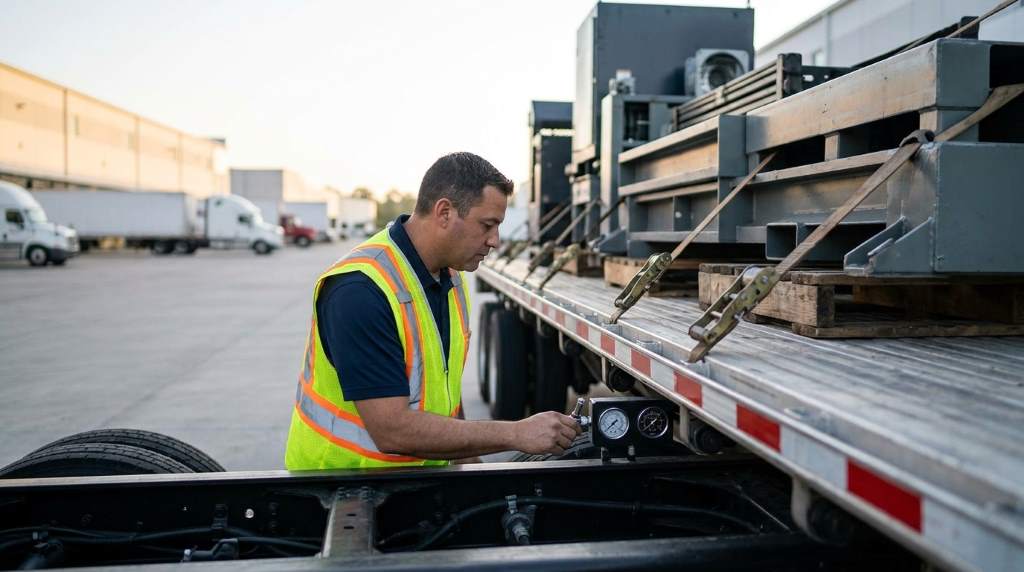
Know the Important Weight Limits
Drivers should always verify legal weight limits before leaving the loading facility. Accurate records help prevent misunderstandings during roadside inspections.
- Gross Vehicle Weight Rating
- Gross Combined Weight Rating
- Single axle weight limits
- Tandem axle weight limits
- Bridge formula compliance
Load Your Trailer Correctly
Proper loading improves handling while reducing unnecessary stress on suspension components. Balanced cargo also minimizes the chance of axle overload violations during inspections.
Warehouse teams should distribute freight evenly from front to rear whenever possible. Additionally, secure every load because shifting cargo changes axle weights while driving. Maintenance resources like fix burning smell car debris engine bay also remind operators that regular inspections improve vehicle reliability before long trips.
Best Loading Practices
- Place heavier freight near the trailer center.
- Secure cargo with approved restraints.
- Avoid concentrated weight on one axle.
- Confirm load stability before departure.
- Inspect tie downs during scheduled stops.
Verify Weight Before Leaving
Drivers should never assume warehouse estimates match actual vehicle weight. Certified scales provide reliable measurements before entering highways with enforcement stations.
Pre trip verification saves valuable time because correcting overload issues at the shipper remains easier than roadside adjustments. Likewise, organized route planning reduces unnecessary stops during delivery schedules. Articles covering Milwaukee overnight car parking risks also highlight how preparation often prevents unexpected transportation problems.
Use Certified Truck Scales
Certified scales deliver accurate axle readings for every commercial vehicle configuration. Drivers should keep printed weight tickets with trip documentation whenever possible.
Prepare Essential Documentation
Inspection officers often review paperwork before completing the weight verification process. Organized documents create a professional impression while reducing inspection delays.
Every driver should confirm paperwork before leaving the terminal. Furthermore, electronic records should remain accessible throughout the trip. Fleet organization methods resemble smartest RV storage ideas because organized equipment improves operational efficiency.
Carry These Documents
- Commercial driver’s license
- Vehicle registration
- Insurance information
- Shipping documents
- Weight tickets when available
- Required permits
Inspect Your Truck Before Every Trip
Weight compliance alone does not guarantee a smooth roadside inspection. Officers frequently examine safety equipment while reviewing vehicle condition.
Drivers should inspect brakes, lights, tires, mirrors, and suspension before departure. Preventive maintenance reduces mechanical failures that attract additional inspection attention.
Daily Inspection Checklist
- Check tire pressure.
- Inspect wheel fasteners.
- Verify brake operation.
- Test exterior lighting.
- Inspect air lines.
- Confirm suspension condition.
Approach DOT Weight Stations Correctly
Drivers should remain calm while approaching weigh stations because professional behavior supports efficient inspections. Following posted signs also reduces unnecessary confusion.
Reduce speed gradually before entering inspection lanes. Keep paperwork ready and answer officer questions honestly using clear communication.
During the Inspection
- Follow officer instructions carefully.
- Remain respectful throughout the inspection.
- Avoid sudden vehicle movements.
- Present requested documents immediately.
- Report concerns honestly if necessary.
Prevent Common Weight Violations
Most violations result from preventable loading mistakes instead of intentional misconduct. Regular procedures help fleets avoid expensive penalties and delayed deliveries.
Dispatchers should verify shipment details before assigning equipment for every load. Drivers should also report unusual cargo distribution before leaving shipping facilities.
Common Mistakes
- Ignoring axle weight limits.
- Skipping certified scale checks.
- Improper cargo placement.
- Missing permits.
- Incomplete inspection records.
Build Long Term Compliance Habits
Successful carriers create consistent inspection routines rather than relying on experience alone. Standard operating procedures improve safety while protecting business profitability.
Training programs help drivers recognize compliance issues before they become expensive violations. Regular communication between dispatchers, warehouse teams, and drivers also strengthens operational performance.
Conclusion
Passing DOT weight checks depends on preparation, accurate loading, organized paperwork, and regular vehicle inspections. Consistent compliance habits reduce delays while improving driver confidence during every trip. Start using these practical strategies before your next route so your fleet remains safe, efficient, and inspection ready.
FAQs
What happens if my truck exceeds legal weight limits?
You may receive fines, delivery delays, or orders to correct the overload before continuing.
Should I weigh my truck before every trip?
Yes, certified scale checks help confirm legal axle and gross vehicle weights.
Can cargo movement affect axle weight?
Yes, shifting freight changes weight distribution and may create axle violations.
Why do DOT officers inspect paperwork?
They verify legal compliance, shipment details, permits, and vehicle documentation.
How often should commercial trucks receive inspections?
Drivers should complete pre trip inspections every day before operating the vehicle.
